
.jpeg)
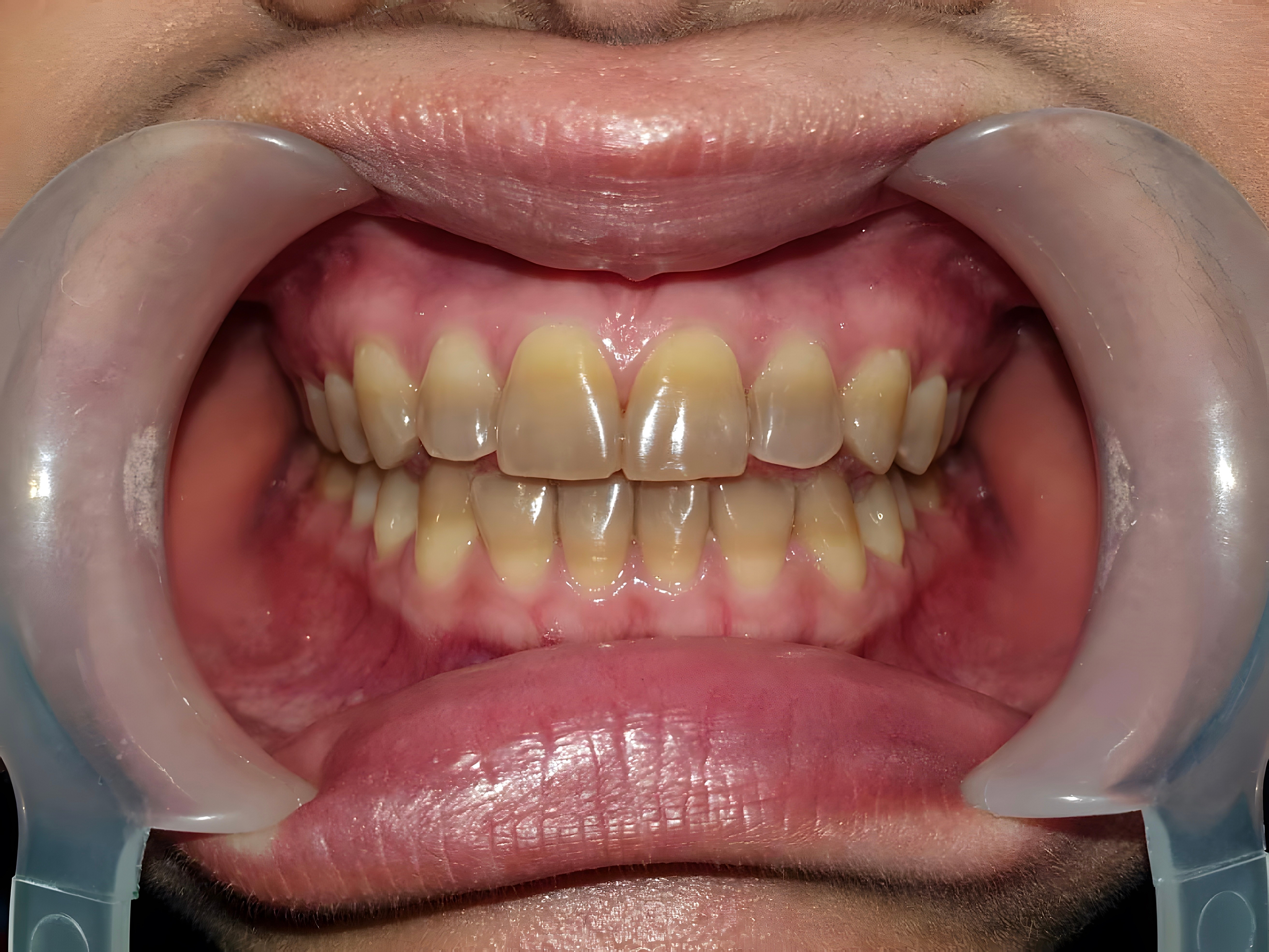
The biggest clue to making your smile white and vibrant again is the color of the stain. Different colors come from different causes — and respond to different treatments.
The most common reason for staining is the structure of enamel itself. Tooth enamel is made of crystal rods with microscopic spaces between them. Over time, pigments from food, drink, and tobacco settle into those spaces. The stain isn’t sitting on top of your teeth — it’s inside them. That’s why brushing alone can’t remove it, but professional whitening can.
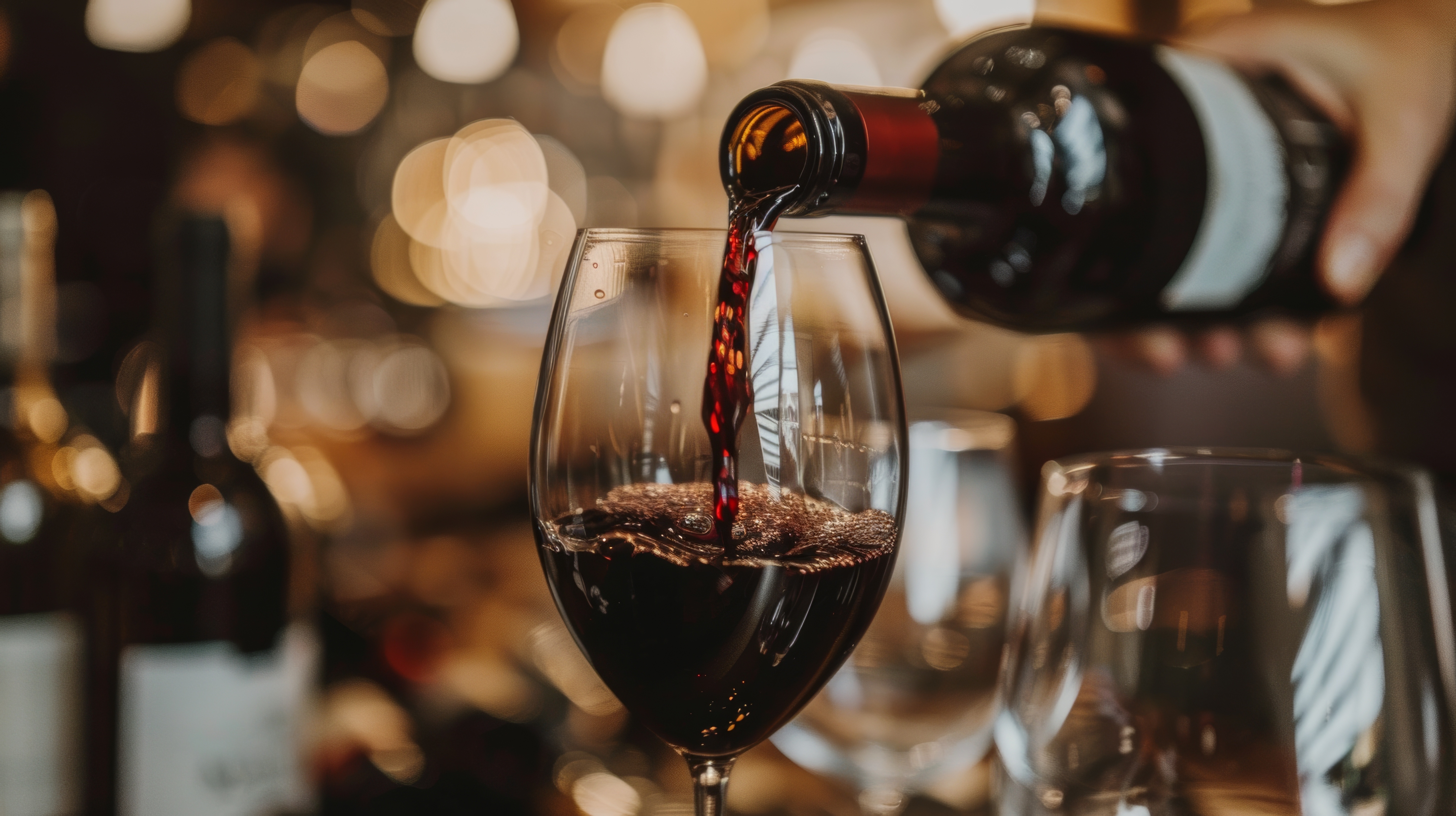
Long-term coffee and tea drinking are the most common causes of yellow teeth. Wine, cola, and certain foods contribute as well. These pigments penetrate into the enamel gradually, deepening year after year.
The good news: yellow staining is the most responsive to professional teeth whitening. A peroxide-based gel lifts the pigment out of the enamel’s crystal structure, restoring brightness. The key is using the right concentration at the right pace for your age and dental condition — which is why professional whitening significantly outperforms over-the-counter products.
.jpeg)
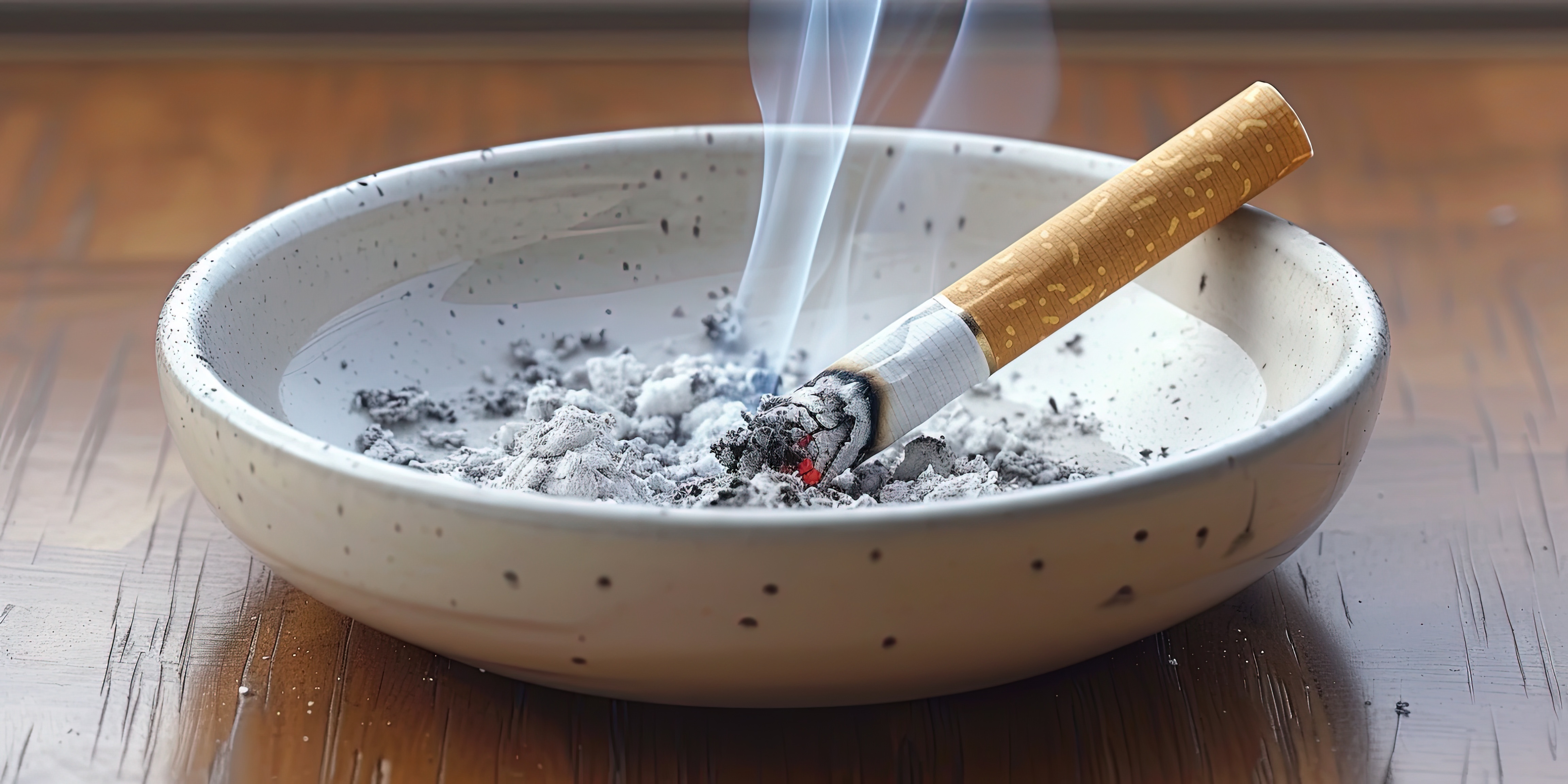
Smoking and black tea leave dark brown stains on the surface of teeth. These surface deposits can often be removed with ultrasonic cleaning by our dental hygienist during a professional cleaning visit. Once the surface stains are removed, any remaining discoloration within the enamel can be addressed with professional whitening.
Long-term smoking can also cause gray staining inside the teeth, which is more difficult to address and may require veneers for a lasting white result.
This is one of the most misunderstood types of tooth discoloration, and it’s where Dr. Kriston’s honest guidance matters most.
As we age — particularly in our 50s, 60s, 70s, and beyond — teeth gradually lose moisture. Dehydrated enamel takes on a gray hue that isn’t a stain at all. It’s a structural change in the tooth itself. Whitening gel can remove the yellow and brown pigment stains, but it cannot reverse the grayness caused by dehydration. The result is often disappointing: the teeth get a little lighter, but they never achieve the bright, vibrant white the patient was hoping for.
For patients with age-related gray teeth, Dr. Kriston recommends porcelain veneers as a far more effective and lasting solution. Veneers provide a permanent, controlled shade of white that doesn’t change over time — something whitening simply cannot offer for dehydrated teeth.
.jpeg)
If one tooth has turned noticeably darker than the others, the cause is usually not staining — it’s a loss of blood circulation from a previous injury. Even trauma from years or decades ago can gradually cause a tooth to darken as the internal tissue breaks down.
A single dark tooth can sometimes be temporarily lightened by placing a bleaching agent inside the tooth after a root canal is performed — a technique called internal bleaching. However, teeth lacking blood circulation continue to dehydrate and darken over time. For a lasting color match, a porcelain crown or veneer is the best solution.
Horizontal brown bands or stripes of gray across the teeth are a telltale sign of antibiotic exposure during tooth development — most commonly tetracycline, which was frequently prescribed for acne. These stains go deep into the tooth structure, far beyond what whitening gel can reach, and they tend to get darker with age.
Dr. Kriston uses porcelain veneers combined with a masking technique to address antibiotic staining. By applying opaque composite underneath the veneer, he blocks out the deep discoloration and creates a radiantly natural white result. This is one of the most transformative procedures he performs — patients who have lived with antibiotic staining for decades are often emotional when they see the result for the first time.
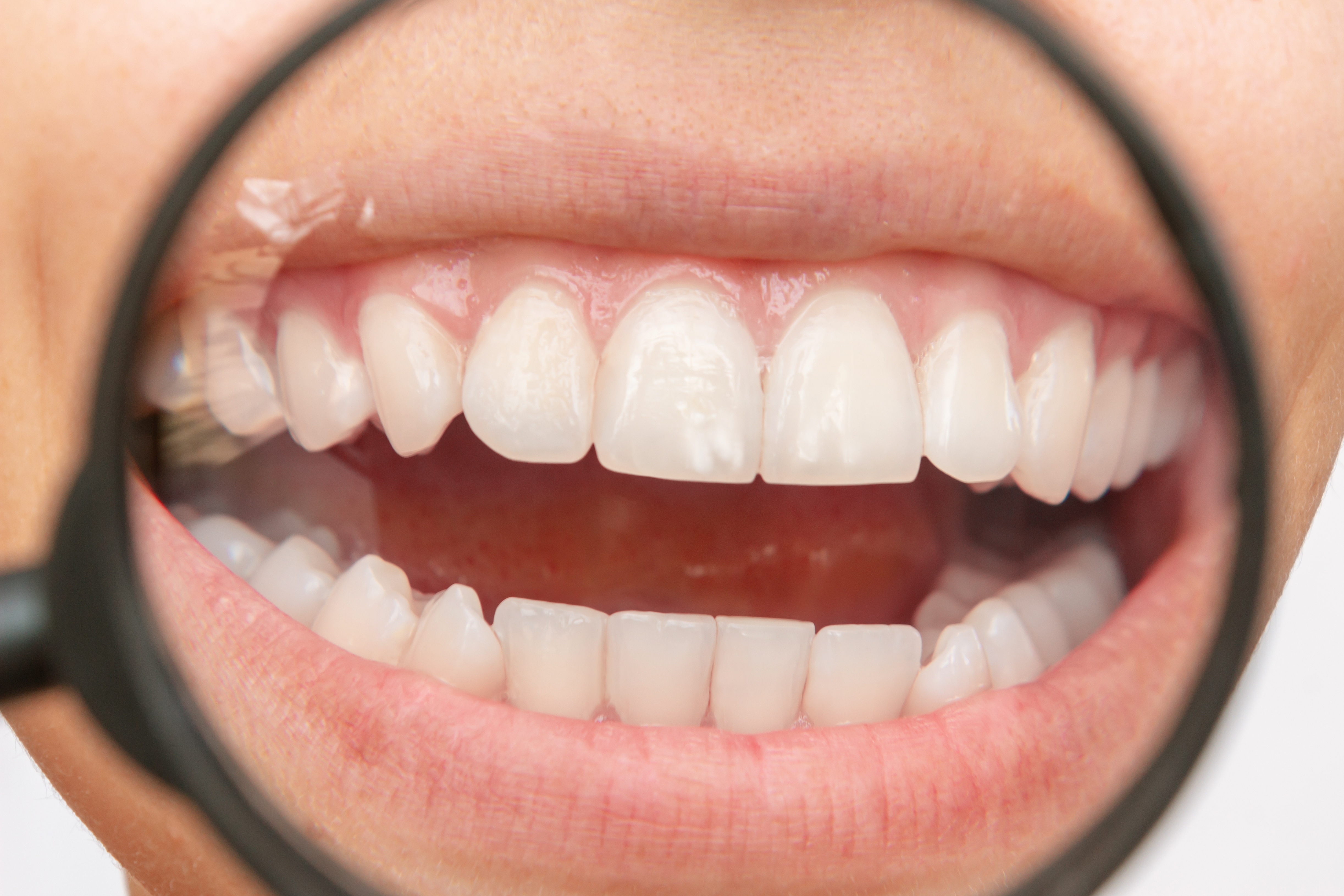
White spots on teeth are caused by mineral loss or damage to the enamel. The most common causes include:
Treatment depends on the depth and size of the white spot. Superficial spots near the surface can sometimes be removed with a specialized polishing paste that dissolves the affected enamel layer. Deeper or wider areas are better resolved with dental bonding or a veneer to create a uniform appearance.
The best whitening agents for your teeth are carbamide peroxide and hydrogen peroxide — the main ingredients in professional whitening gels. They’re also the safest. These peroxide-based gels work by penetrating the surface of the enamel for relatively short periods, lifting stain from the crystal structure without damaging the tooth.
Not all whitening methods are equal, and Dr. Kriston wants patients to know what to avoid:
Baking soda. It’s too abrasive. While it may remove some surface staining, it works by physically scratching the enamel. Long-term use causes sensitivity and can damage the enamel surface, making teeth more vulnerable to future staining — the opposite of what you want.
Vinegar and other acids. Acids like apple cider vinegar and store-bought hydrogen peroxide (which is different from professional whitening gel) take many applications to show results and are destructive to enamel with long-term use. They dissolve minerals from the tooth surface, which can actually increase your risk of cavities while giving you a false sense of progress.
The takeaway: professional peroxide-based gel, applied in a controlled way with a custom tray, is both the most effective and the safest approach to whitening. Everything else is either slower, less effective, or potentially harmful to your teeth.
.jpeg)
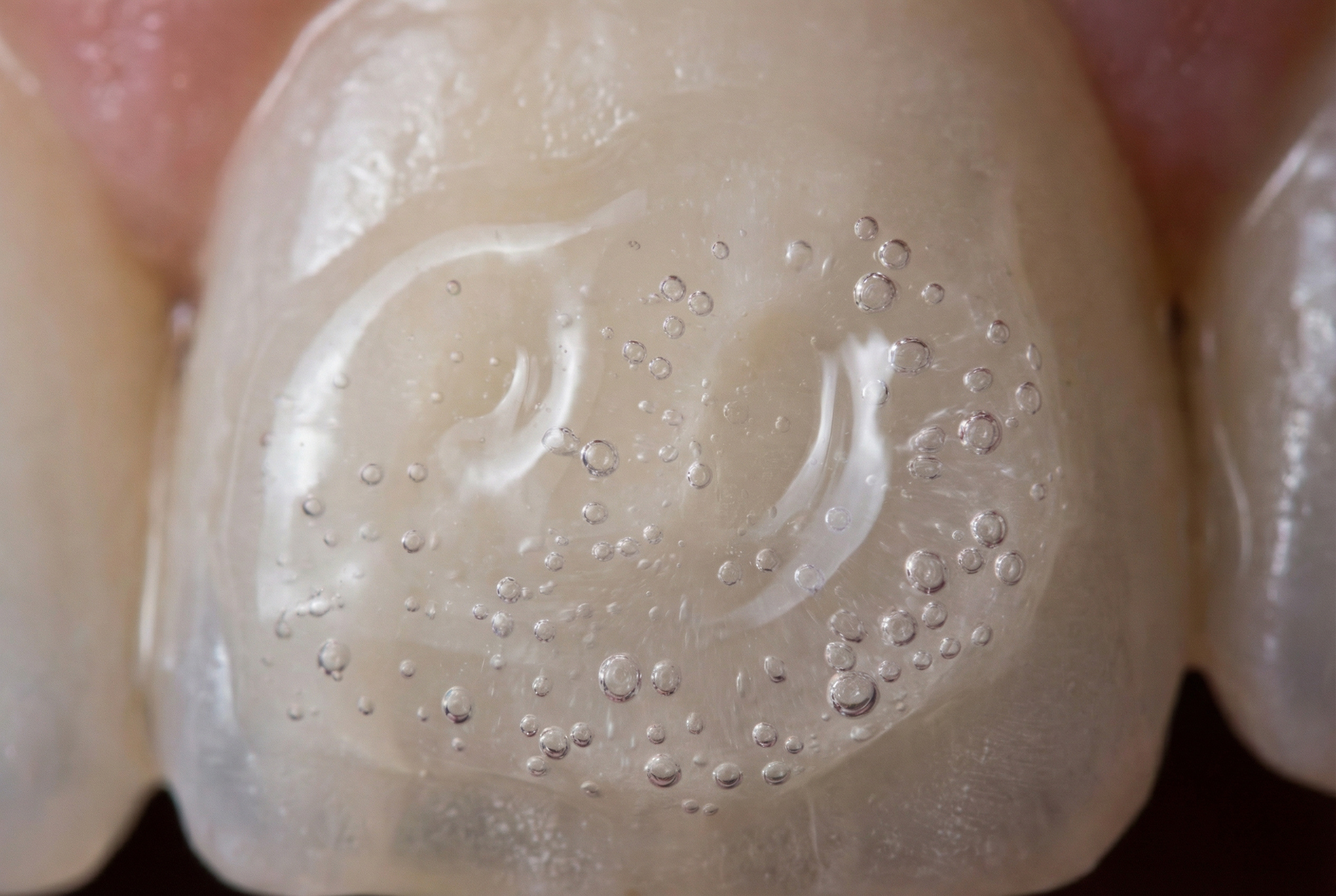
Dr. Kriston uses our Medit intraoral scanner to create a precise digital impression of your teeth, from which custom whitening trays are fabricated. These trays fit your teeth exactly — keeping the professional-grade whitening gel on your enamel where it belongs and away from your gums, which reduces irritation.
You wear the trays at home for a specified period each day, typically over one to two weeks. The gel concentration is calibrated to your age, sensitivity level, and the type of staining being treated. This controlled, gradual approach delivers results that are often several shades brighter — without the intense sensitivity that stronger, faster methods can cause.
The custom trays are yours to keep. When you want a touch-up months or years later, you simply purchase a new syringe of gel and use the same trays. This makes long-term whitening maintenance simple and affordable.
Dr. Kriston wants to be straightforward about this: in his 38 years of clinical experience, in-office whitening with heat lamps and ultra-strong gels can cause teeth to hurt intensely — sometimes for days. And there’s really no reliable way to predict who it will affect.
One group it seems to almost always affect is younger patients, including people in their teens and twenties. The reason is anatomy: in younger teeth, the nerve (pulp) is large and sits closer to the outer enamel surface. There isn’t as much distance between the gel and the nerve, so the peroxide seeps deep enough into the enamel to trigger significant pain — throbbing, shooting sensitivity that can persist for days after the appointment.
But it’s not only young patients who are at risk. Even patients in their 30s, 40s, 50s, and older can experience severe sensitivity from heat-activated gels. The reasons vary:
Our take-home approach with custom trays and controlled gel concentrations delivers comparable final results over a slightly longer timeframe — but with dramatically less risk of the kind of sensitivity that makes patients regret the procedure. For Dr. Kriston, the goal isn’t the fastest whitening — it’s the best whitening experience with a result you’re happy with and no days of pain afterward.
One more important point: if you have teeth with cracks, recession, or worn enamel that would cause sensitivity during whitening, Dr. Kriston may recommend treating those teeth first — with bonding or veneers to seal and protect the sensitive areas — and then whitening the remaining teeth. This way you get a beautiful, uniform result without the pain. It’s a detail that most whitening providers overlook, and it’s the kind of clinical thinking that comes from 38 years of doing this work.
.jpeg)
.jpeg)
The difference between professional and drugstore whitening comes down to three things:
Fit. Our custom trays are made from a digital scan of your actual teeth. They hold the gel precisely against the enamel surface, ensuring even whitening and preventing gel from pooling on your gums. Drugstore strips and one-size trays can’t match this precision, which leads to uneven results and gum irritation.
Concentration. Professional whitening gel is significantly more concentrated than retail products. It reaches deeper into the enamel’s crystal structure to lift stains that over-the-counter products simply can’t touch.
Supervision. Dr. Kriston evaluates your teeth before whitening to identify cracks, recession, worn enamel, or other conditions that could cause sensitivity or affect your results. He selects the appropriate gel concentration for your specific situation and adjusts the protocol based on how your teeth respond. No retail product offers this level of personalization.
.jpeg)
Younger teeth typically respond quickly to whitening because the staining is usually superficial and the enamel is thick. However, the nerve inside younger teeth is large and close to the surface, which makes sensitivity a significant concern with aggressive methods. Dr. Kriston uses lower-concentration gels with shorter application times for younger patients to minimize this risk while still delivering excellent results.
This is often the sweet spot for whitening. Years of coffee, tea, and wine have accumulated visible staining, and the enamel is typically still thick enough to insulate the nerve. Professional whitening delivers dramatic improvements for most patients in this age range. Dr. Kriston still evaluates for cracks, recession, and worn areas before recommending a gel concentration.
.jpeg)
.jpeg)
This is where honesty matters most. Professional whitening can still remove yellow and brown staining from older teeth, and the results can be significant. However, as teeth age and dehydrate, they develop a gray undertone that is not a stain — it’s a structural change. No whitening gel can reverse it.
Patients in this age range may also have more recession, worn enamel, and cracks — all of which increase sensitivity risk and reduce whitening effectiveness. Older teeth also take longer to whiten than younger teeth, requiring more sessions with the take-home trays.
For patients whose primary concern is the gray hue, Dr. Kriston recommends porcelain veneers as a far more effective and permanent solution. Veneers provide a controlled, lasting shade of white that doesn’t fade, darken, or change over time. For patients with mixed concerns — both staining and grayness — a combination approach (whitening the teeth that respond, veneering the ones that don’t) often delivers the best overall result.
.jpeg)
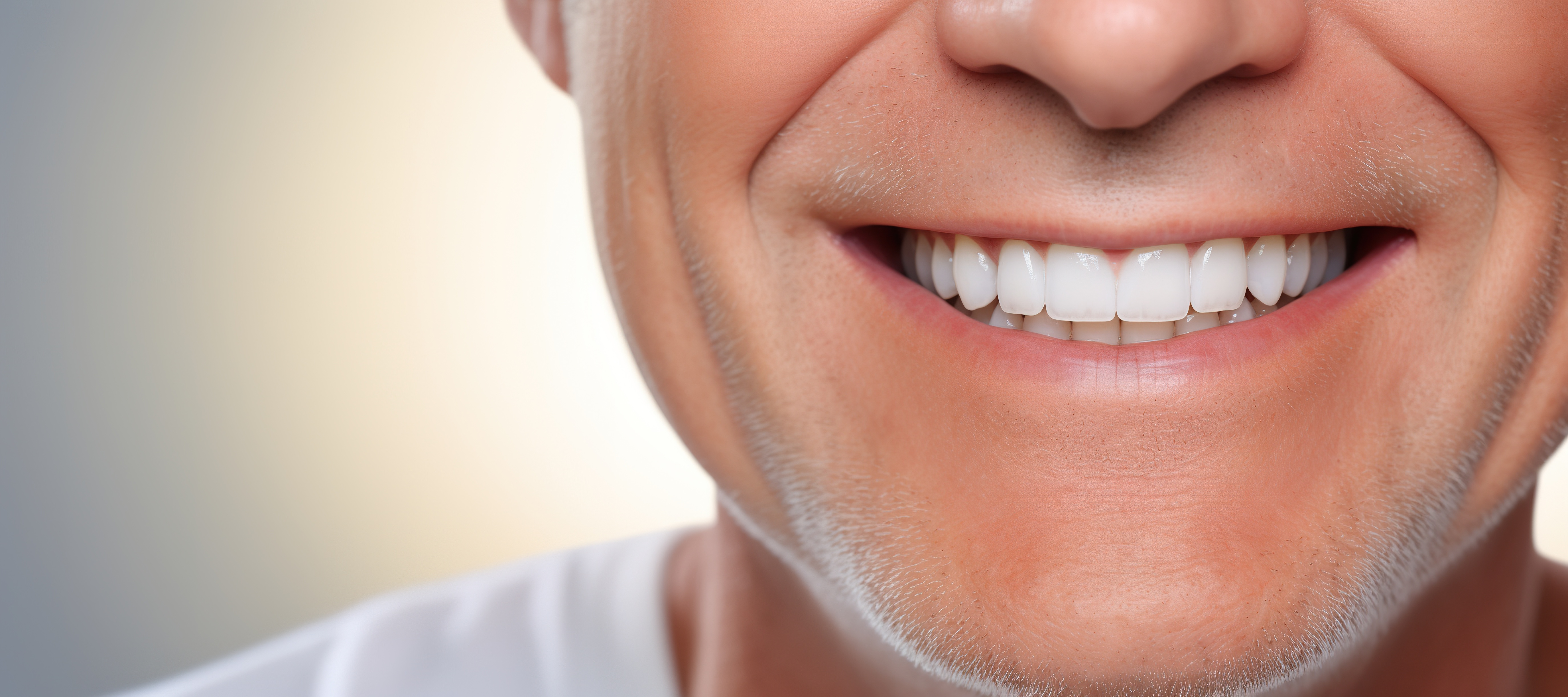
One of the things patients appreciate most about Dr. Kriston is that he won’t recommend whitening if it’s not going to work. If your discoloration is caused by something whitening can’t address, he’ll tell you honestly and present the alternatives:
Porcelain veneers for gray teeth from aging, severe antibiotic staining, or teeth that have failed to respond to whitening. Veneers provide permanent, controllable whiteness in the shade of your choosing.
Veneers with masking technique for deep antibiotic staining (tetracycline bands). Dr. Kriston applies opaque composite beneath the veneer to completely block out the underlying discoloration before bonding the porcelain.
Porcelain crowns for single dark teeth from trauma that have had root canal treatment. A crown encases the entire tooth in porcelain, providing a permanent color match.
Dental bonding for white spots, small areas of discoloration, or teeth that need both a color correction and a minor shape improvement.
Internal bleaching for a single dark tooth that has had a root canal. A bleaching agent is placed inside the tooth to lighten it from within. This can be a good short-term solution, though the tooth may continue to darken over time as it dehydrates.
The right solution depends entirely on the cause and depth of your discoloration. That’s why the consultation matters — and why having a dentist with 38 years of experience diagnosing and treating every type of tooth discoloration is an advantage you can’t get from a whitening kit.
Professional whitening is frequently the first step in a larger smile makeover or veneer case. Here’s why the sequence matters:
If you’re planning veneers on some teeth but not others, Dr. Kriston typically recommends whitening your natural teeth first. Once your natural teeth reach their brightest shade, your veneers can be color-matched to that shade — creating a uniform, radiant result across your entire smile. If veneers are placed first and you whiten later, your natural teeth may end up a different shade than your veneers, creating an inconsistent appearance.
Whitening is also commonly incorporated into smile makeover plans alongside veneers, bonding, and cosmetic reshaping to create one cohesive result.
One thing Dr. Kriston is always upfront about: teeth whitening is not permanent. Your teeth are constantly exposed to the foods and beverages that stained them in the first place, and over time, some degree of re-staining is inevitable. But with the right care routine, you can maintain your results for months and keep touch-ups quick and easy.

During whitening and for a period shortly after, your teeth are more porous than usual. The same enamel crystal structure that released its stains is temporarily more open to absorbing new ones. This is why Dr. Kriston provides a “white diet” guide with every whitening kit.
The concept is simple: while you’re whitening and for several days afterward, avoid foods and drinks with strong color. Coffee, tea, red wine, dark soda, berries, tomato sauce, soy sauce, and similar items can re-stain freshly whitened teeth quickly. The rule of thumb is: if it would stain a white shirt, avoid it while whitening.
After whitening, your enamel needs time to re-mineralize — essentially, to close back up those microscopic spaces between the crystal rods that the whitening gel opened to lift the stain. Dr. Kriston provides a mineralizing gel that you apply in your custom trays after your final whitening session. This gel delivers calcium, phosphate, and fluoride directly to the enamel surface, helping it re-harden and seal against new stain absorption.
Re-mineralization is a step that many whitening providers skip entirely. Dr. Kriston includes it because it meaningfully extends the life of your whitening results and helps protect the long-term health of your enamel.
.jpeg)
.jpeg)
With a good care routine — limiting staining foods, using the mineralizing gel, and maintaining regular dental cleanings — most patients need a touch-up whitening for just two to three days every four to six months. Because you keep your custom trays, all you need is a fresh syringe of gel. It’s quick, affordable, and keeps your smile consistently bright year after year.

.svg)
By far the best dentist I’ve had! Extremely thoughtful in his work, taking time to explain the reasoning behind decisions and will even show you the details of what is going on with your teeth through a micro camera. I had a few significant issues with my teeth, and Michael was the first of four dentists I had seen to provide a thoughtful long term solution in the least invasive way possible. He is truly concerned with the health and function of your teeth and gums, and is extremely skilled to implement great solutions. Would highly recommend.
I had my first visit with Dr. Kriston and had the best experience in a dental office, by far. I was looking for a dentist to revamp my smile and a friend recommended Dr. Kriston. Dr. Kriston spent a lot of time listening to my vision and together we came up with a plan for my smile that I'm very happy with. Everyone in the office was friendly, helpful and welcoming. My bar was set high and Dr. Kriston went well above it with his knowledge, recommendations and real understanding of my situation.
The office is beautiful, modern and spotless. They have relaxing music playing throughout that right away made me feel calm. The front receptionist is very attentive and supportive; she answered all my questions and clearly explained the cost and my insurance. I qualified for an interest free payment plan and was able to afford my dream smile.

I just had to write this review because I'm so happy I found Dr. Kriston. I've been self conscious about my teeth for years and I just couldn't find a dentist I felt this good about. I highly recommend Dr. Kriston.
Clean, professional, and easy to use. Velora gave my agency the polished online presence it needed."
Clean, professional, and easy to use. Velora gave my agency the polished online presence it needed."
Clean, professional, and easy to use. Velora gave my agency the polished online presence it needed."
Clean, professional, and easy to use. Velora gave my agency the polished online presence it needed."
By far the best dentist I’ve had! Extremely thoughtful in his work, taking time to explain the reasoning behind decisions and will even show you the details of what is going on with your teeth through a micro camera. I had a few significant issues with my teeth, and Michael was the first of four dentists I had seen to provide a thoughtful long term solution in the least invasive way possible. He is truly concerned with the health and function of your teeth and gums, and is extremely skilled to implement great solutions. Would highly recommend.
I had my first visit with Dr. Kriston and had the best experience in a dental office, by far. I was looking for a dentist to revamp my smile and a friend recommended Dr. Kriston. Dr. Kriston spent a lot of time listening to my vision and together we came up with a plan for my smile that I'm very happy with. Everyone in the office was friendly, helpful and welcoming. My bar was set high and Dr. Kriston went well above it with his knowledge, recommendations and real understanding of my situation.
The office is beautiful, modern and spotless. They have relaxing music playing throughout that right away made me feel calm. The front receptionist is very attentive and supportive; she answered all my questions and clearly explained the cost and my insurance. I qualified for an interest free payment plan and was able to afford my dream smile.
I just had to write this review because I'm so happy I found Dr. Kriston. I've been self conscious about my teeth for years and I just couldn't find a dentist I felt this good about. I highly recommend Dr. Kriston.
By far the best dentist I’ve had! Extremely thoughtful in his work, taking time to explain the reasoning behind decisions and will even show you the details of what is going on with your teeth through a micro camera. I had a few significant issues with my teeth, and Michael was the first of four dentists I had seen to provide a thoughtful long term solution in the least invasive way possible. He is truly concerned with the health and function of your teeth and gums, and is extremely skilled to implement great solutions. Would highly recommend.
I had my first visit with Dr. Kriston and had the best experience in a dental office, by far. I was looking for a dentist to revamp my smile and a friend recommended Dr. Kriston. Dr. Kriston spent a lot of time listening to my vision and together we came up with a plan for my smile that I'm very happy with. Everyone in the office was friendly, helpful and welcoming. My bar was set high and Dr. Kriston went well above it with his knowledge, recommendations and real understanding of my situation.
The office is beautiful, modern and spotless. They have relaxing music playing throughout that right away made me feel calm. The front receptionist is very attentive and supportive; she answered all my questions and clearly explained the cost and my insurance. I qualified for an interest free payment plan and was able to afford my dream smile.
I just had to write this review because I'm so happy I found Dr. Kriston. I've been self conscious about my teeth for years and I just couldn't find a dentist I felt this good about. I highly recommend Dr. Kriston.
By far the best dentist I’ve had! Extremely thoughtful in his work, taking time to explain the reasoning behind decisions and will even show you the details of what is going on with your teeth through a micro camera. I had a few significant issues with my teeth, and Michael was the first of four dentists I had seen to provide a thoughtful long term solution in the least invasive way possible. He is truly concerned with the health and function of your teeth and gums, and is extremely skilled to implement great solutions. Would highly recommend.
I had my first visit with Dr. Kriston and had the best experience in a dental office, by far. I was looking for a dentist to revamp my smile and a friend recommended Dr. Kriston. Dr. Kriston spent a lot of time listening to my vision and together we came up with a plan for my smile that I'm very happy with. Everyone in the office was friendly, helpful and welcoming. My bar was set high and Dr. Kriston went well above it with his knowledge, recommendations and real understanding of my situation.
The office is beautiful, modern and spotless. They have relaxing music playing throughout that right away made me feel calm. The front receptionist is very attentive and supportive; she answered all my questions and clearly explained the cost and my insurance. I qualified for an interest free payment plan and was able to afford my dream smile.
I just had to write this review because I'm so happy I found Dr. Kriston. I've been self conscious about my teeth for years and I just couldn't find a dentist I felt this good about. I highly recommend Dr. Kriston.
.jpeg)