
.jpeg)
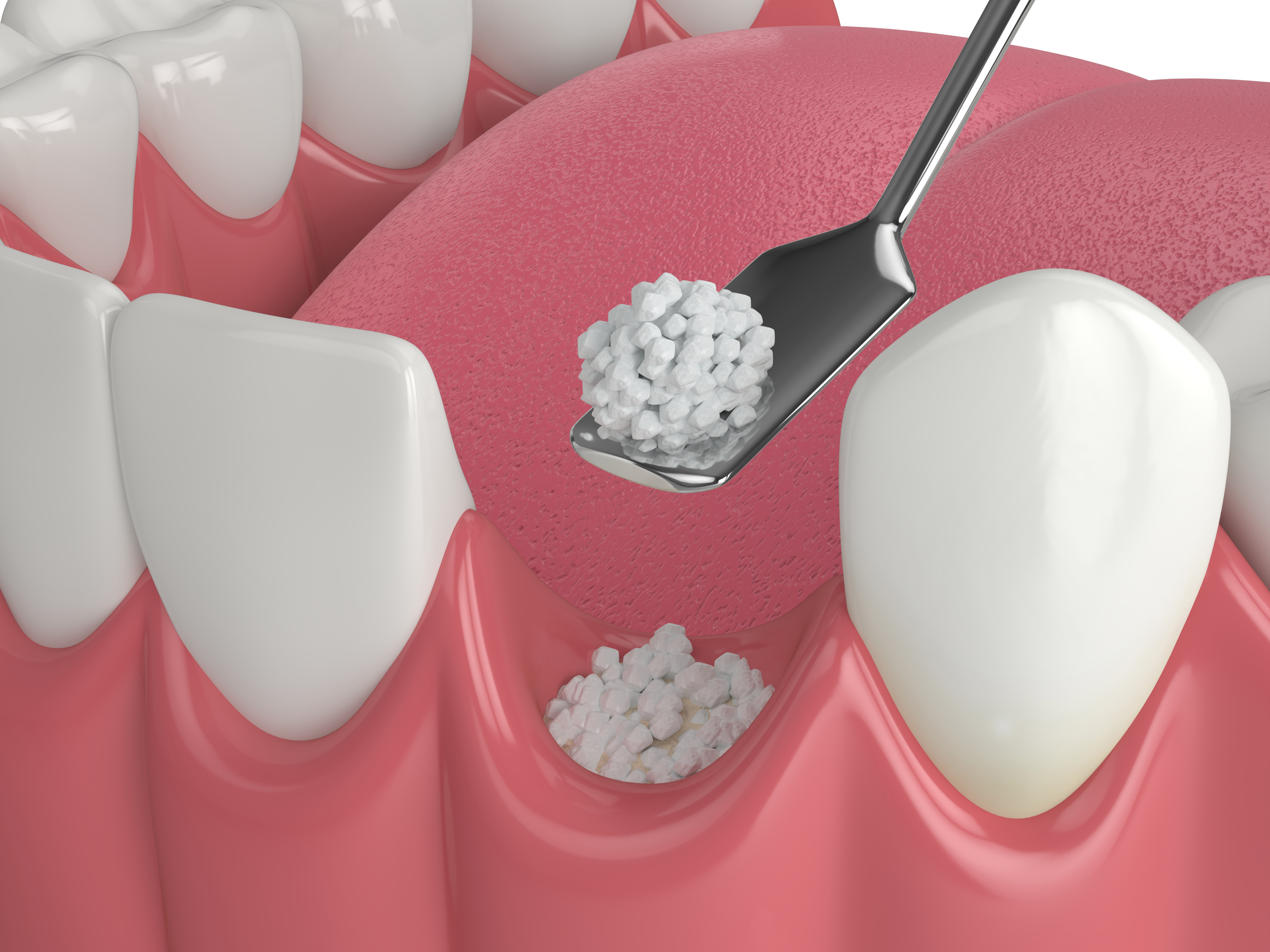
Socket preservation is the simplest and most common form of bone grafting. It’s performed at the same time as the extraction — one procedure, one healing period, one appointment.
After Dr. Kriston performs an atraumatic extraction (a gentle, minimally invasive technique designed to preserve as much bone as possible during the removal), bone graft material is placed directly into the empty socket. This graft material serves as a matrix — a scaffold that your body’s bone-building cells can migrate into and gradually replace with new, living bone.
The result, after three to six months of healing, is a ridge that maintains its original width and height — ready to support an implant, provide a clean foundation for a bridge, or simply preserve the natural contour of your face.
This is one of the most important points Dr. Kriston makes to patients facing an extraction: you should consider grafting the socket even if you don’t currently plan to replace the tooth with an implant.
Why? Because skipping the graft is a gamble. Without grafting material to maintain the bone’s shape, the ridge heals unpredictably. Some patients lose significant bone volume; others lose less. There’s no reliable way to predict how your individual biology will respond. But once bone is lost, getting it back requires more complex, more expensive, and longer-healing procedures.
By grafting at the time of extraction — when the procedure adds only minimal time and cost to the appointment — you preserve your options. If you decide on an implant a year or two later, the bone is ready. If you choose a bridge, the ridge is flat and wide for easy cleaning rather than collapsed inward where food can collect underneath. Even if you never replace the tooth, the preserved bone maintains the natural contour of your jaw and face.
Preserving bone is always easier than rebuilding it.
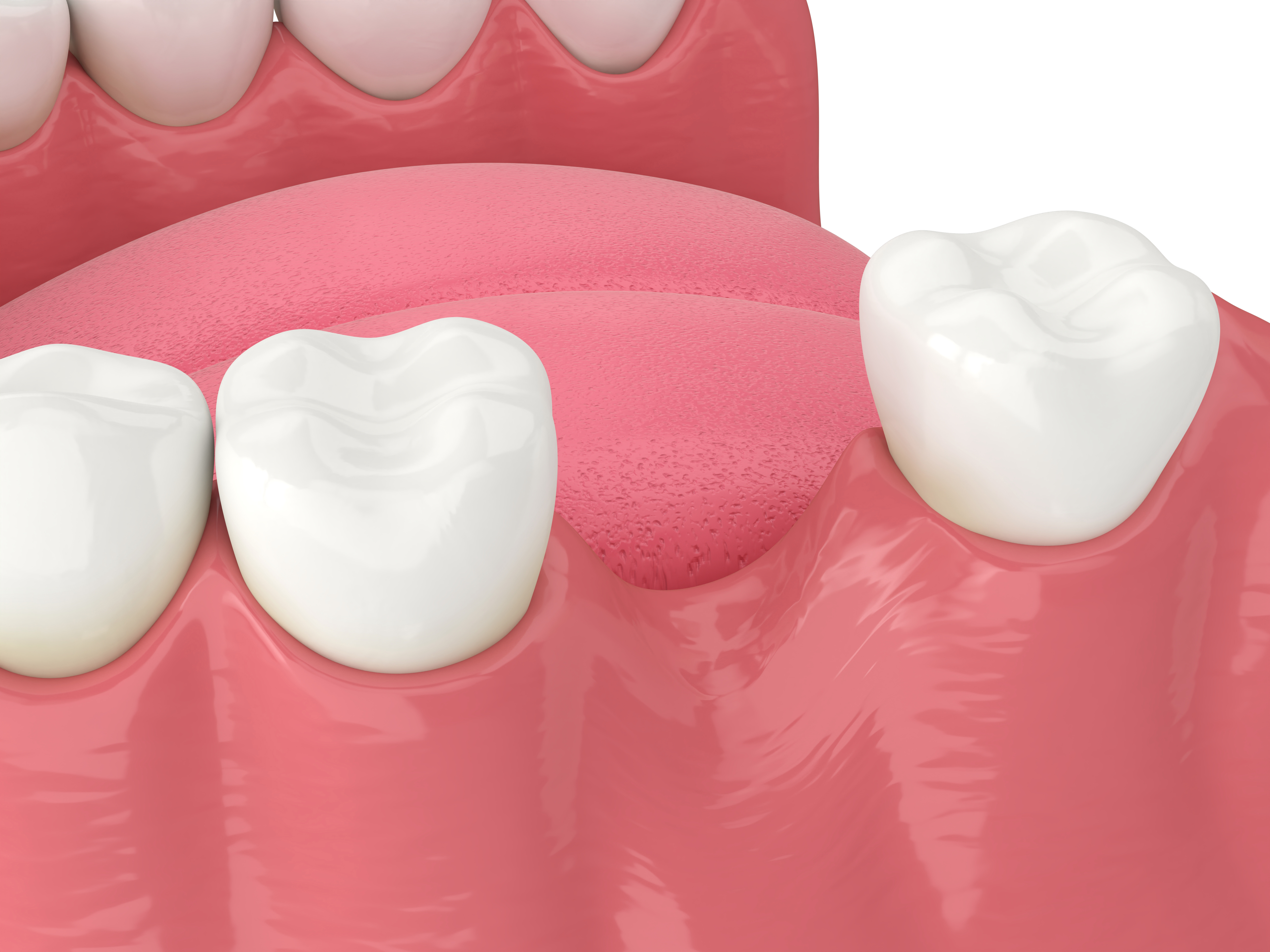

The research on post-extraction bone loss is clear and consistent:
To put that in perspective: a standard dental implant requires a minimum of about 6 millimeters of bone width for safe placement. Losing 4 millimeters of width from a ridge that was barely adequate to begin with can make the difference between being a straightforward implant candidate and needing extensive bone reconstruction before an implant is even possible.
Every millimeter of living bone preserved at the time of extraction is a millimeter that doesn’t need to be rebuilt later — and that insures a better chance of dental implant success.
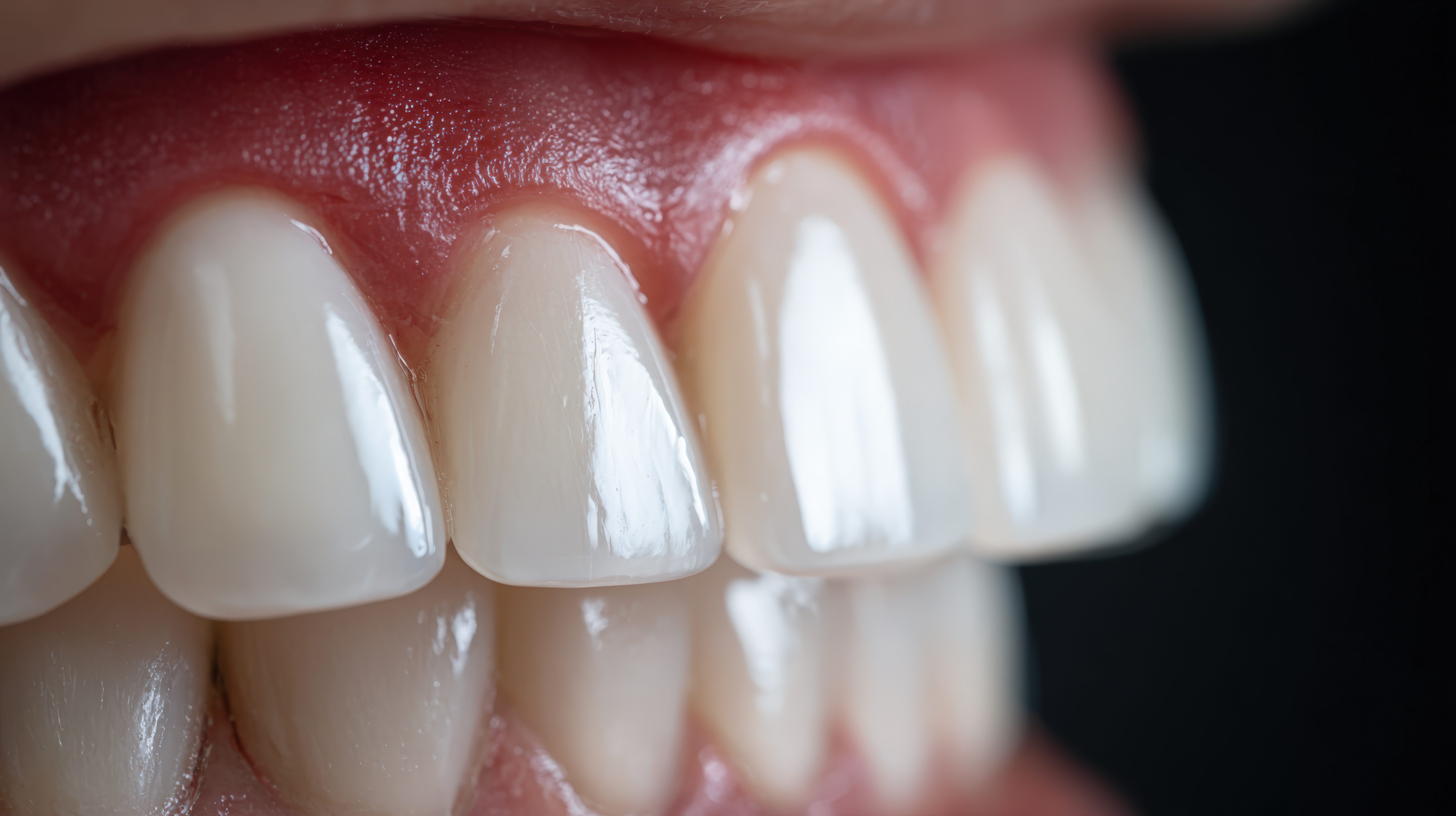
Socket preservation is important everywhere in the mouth, but it’s particularly critical in the upper front teeth — the esthetic zone. Here’s why:
The bone on the front surface of upper front tooth roots is naturally very thin. In some patients, it’s paper-thin — less than a millimeter. When an upper front tooth is extracted, this thin layer of bone on the facial (front) side is the first to resorb. In some cases, the bone on the front of the root may already be partially missing even before the extraction, due to the natural anatomy or prior trauma.
When this bone is lost, the ridge collapses inward visibly. In the front of the mouth, where the esthetic zone demands the most attention, this collapse directly affects what kind of implant restoration is possible — the difference between an FP-1 (a natural-looking crown that emerges from healthy gums) and an FP-3 (a restoration that needs pink material to fill the area where bone and gum tissue are missing).
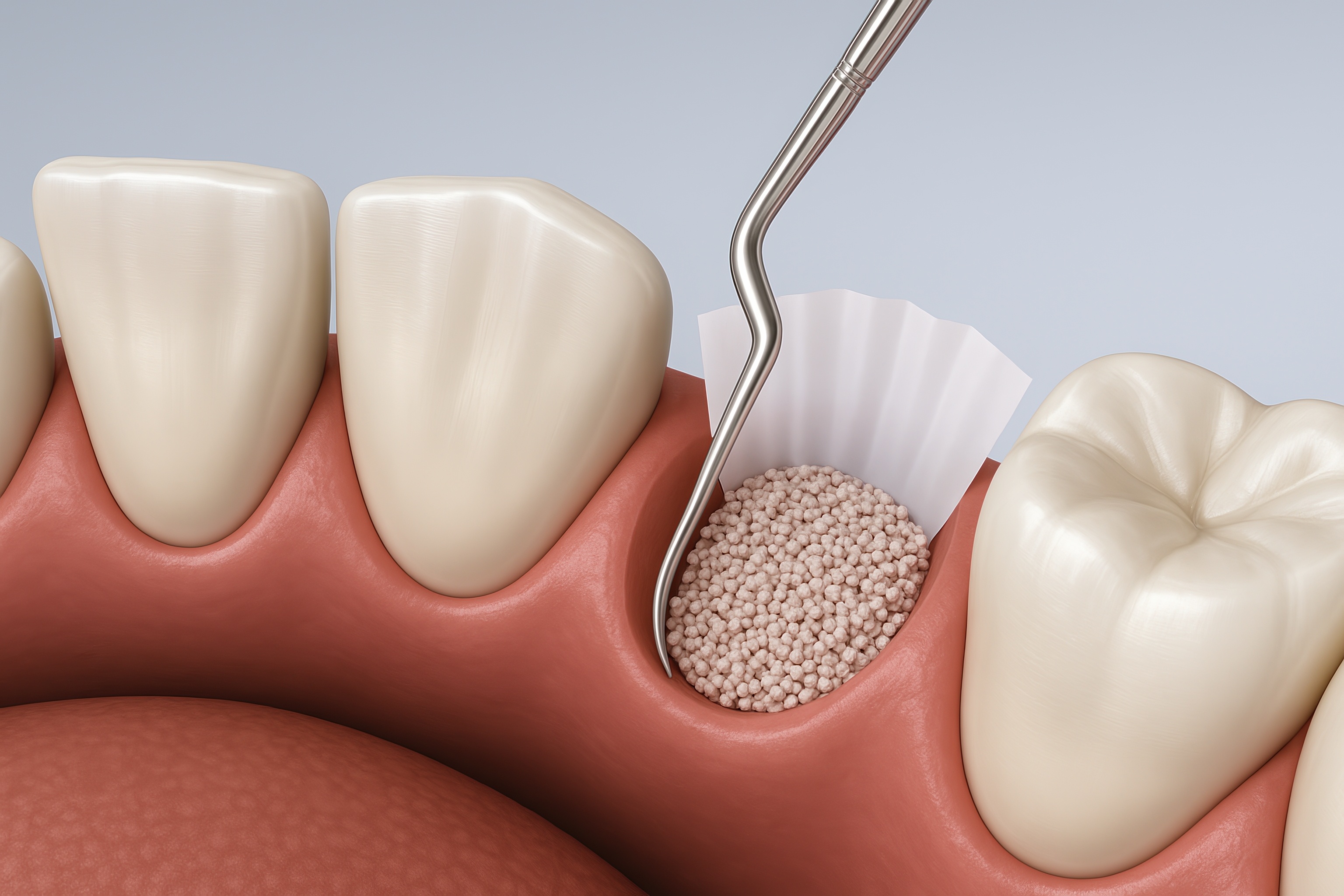
When grafting sockets in the upper front teeth — especially when the bone on the facial side is thin or already partially missing — the key challenge is keeping the soft tissue (the gums) from migrating into the socket where the tooth was.
This is a critical concept in bone grafting that most patients aren’t aware of: soft tissue and bone compete for the same space. If gum tissue migrates into the socket first, it fills the area and prevents bone from forming there. The socket heals, but with soft tissue instead of bone — which means the bone volume you were trying to preserve is lost.
To prevent this, Dr. Kriston uses a collagen membrane — a biocompatible barrier placed between the bone graft material and the overlying gum tissue. The membrane acts as a physical barrier that keeps the soft tissue out of the socket while allowing bone-building cells from the surrounding bone to migrate into the graft material and form new bone.
The bone graft material is placed into the socket behind the membrane, filling the space where the tooth root was. The membrane holds everything in place and protects the graft as it heals. Over the following months, your body’s biology does the rest — gradually replacing the graft material with your own living bone.
This membrane technique is what makes socket preservation in the thin-boned upper anterior area so reliable. Without it, the results would be far less predictable.
In certain cases, an implant can be placed into the socket on the same day the tooth is removed — a procedure called immediate implant placement. When this approach is used, Dr. Kriston surrounds the implant with bone graft material as well, filling any gaps between the implant surface and the socket walls.
This combined approach promotes the healing of your own bone into the site around the implant, improving the implant’s integration with the surrounding bone and helping to maintain the ridge contour.
Not every extraction site is suitable for immediate implant placement — the decision depends on the health of the surrounding bone, the presence of infection, and the specific anatomy of the site. Dr. Kriston uses 3D CBCT imaging to evaluate each case individually and determine whether immediate placement is appropriate or whether grafting the socket and allowing it to heal first will lead to a better long-term outcome.
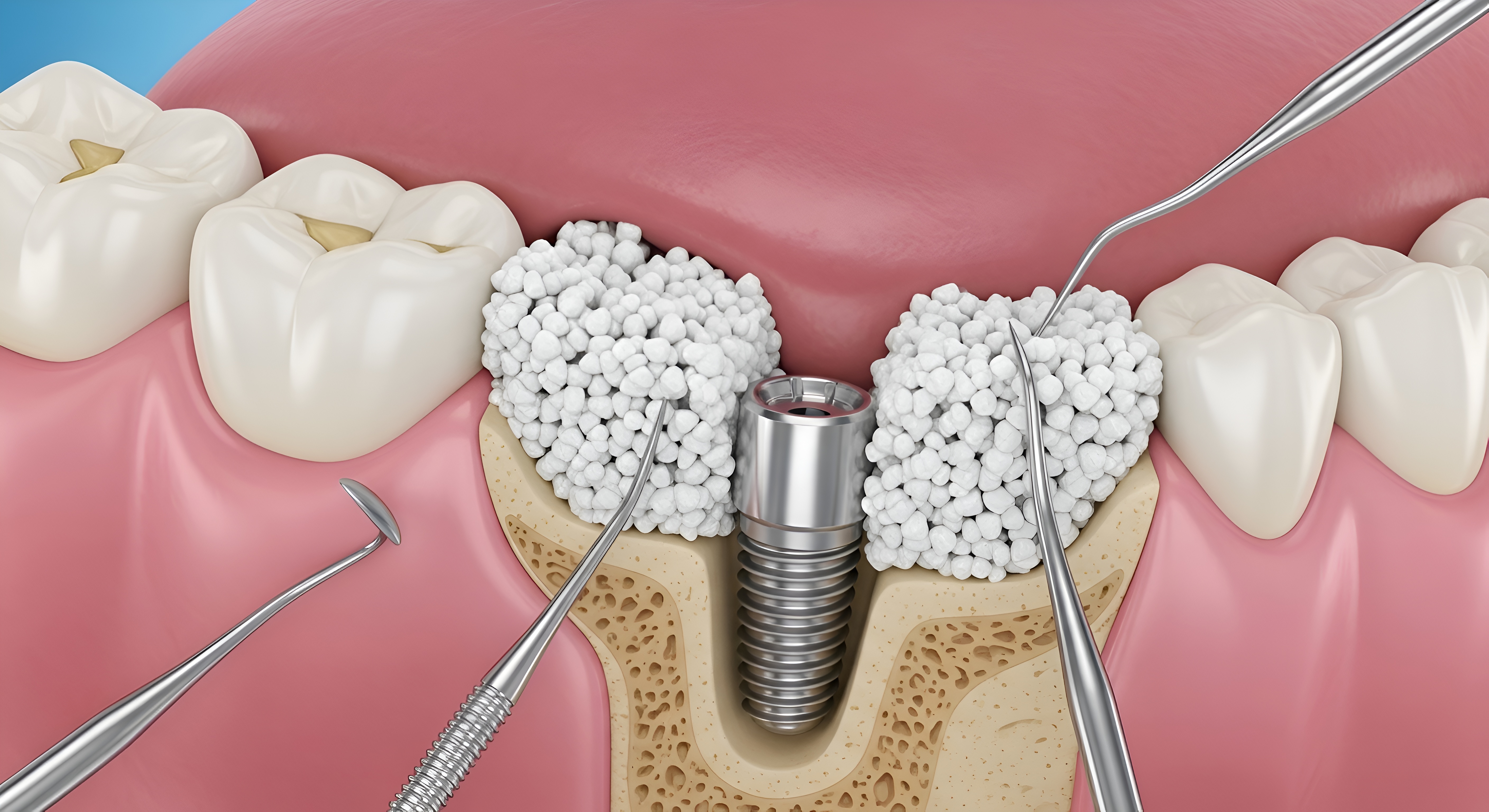

Most people don’t realize this, but bone has a remarkable ability to rebuild itself — when the environment is right.
In fact, your body is constantly remodeling bone throughout your life. It’s the same process that allows orthodontic treatment to work: when braces or aligners push a tooth in one direction, the bone on the pressure side dissolves to make room, while new bone forms on the side the tooth moved away from. The tooth moves, and the bone reshapes itself around the new position. Your jawbone is not static — it’s a living, dynamic tissue that responds to the demands placed on it.
Bone grafting harnesses this same biology. The graft material placed into the socket or defect site doesn’t become your new bone by itself. Instead, it serves as a scaffold — a three-dimensional matrix that provides the structure for your body’s bone-forming cells (called osteoblasts) to migrate into. These cells gradually break down the graft material and replace it with new, living bone.
The success of this process depends on one critical factor: blood supply. Natural living bone has a rich blood supply that delivers the oxygen, nutrients, and bone-building cells needed for regeneration. The more natural living bone surrounding the graft, the greater the supply of these bone-building cells, and the more predictable and complete the bone formation.
This is why the shape of the bone defect matters so much. A socket — which is surrounded by bone on three or four sides — provides an excellent environment for grafting because blood supply and bone cells are coming from multiple directions. A larger defect with less surrounding bone has fewer sources of blood supply, which is why it takes longer to heal and may require more advanced techniques.
The ideal bone graft material would be your own bone, transplanted from one site in your body to another. Autogenous bone (your own bone) has living cells and the biological signals that actively stimulate new bone growth. However, for the socket preservation and ridge grafting procedures most commonly performed in our office, harvesting your own bone is not necessary.
Instead, Dr. Kriston uses allograft bone — bone sourced from a human donor that has been processed and sterilized to make it completely safe for transplantation. After processing, the graft material is no longer living — the cells have been removed. What remains is the mineral matrix: the structural scaffolding of bone.
This is the key to understanding how the graft works: we’re not transplanting living bone. We’re placing a biocompatible scaffold into which your own bone-forming cells migrate from the surrounding healthy bone. Over the healing period, your body gradually breaks down the graft material and replaces it entirely with your own living bone. Once healed, the graft is completely gone — replaced by bone that is 100% yours.
This process is both well-studied and highly predictable. Allograft materials have been used successfully in dentistry and medicine for decades, and the processing and sterilization standards ensure complete safety.
.jpeg)
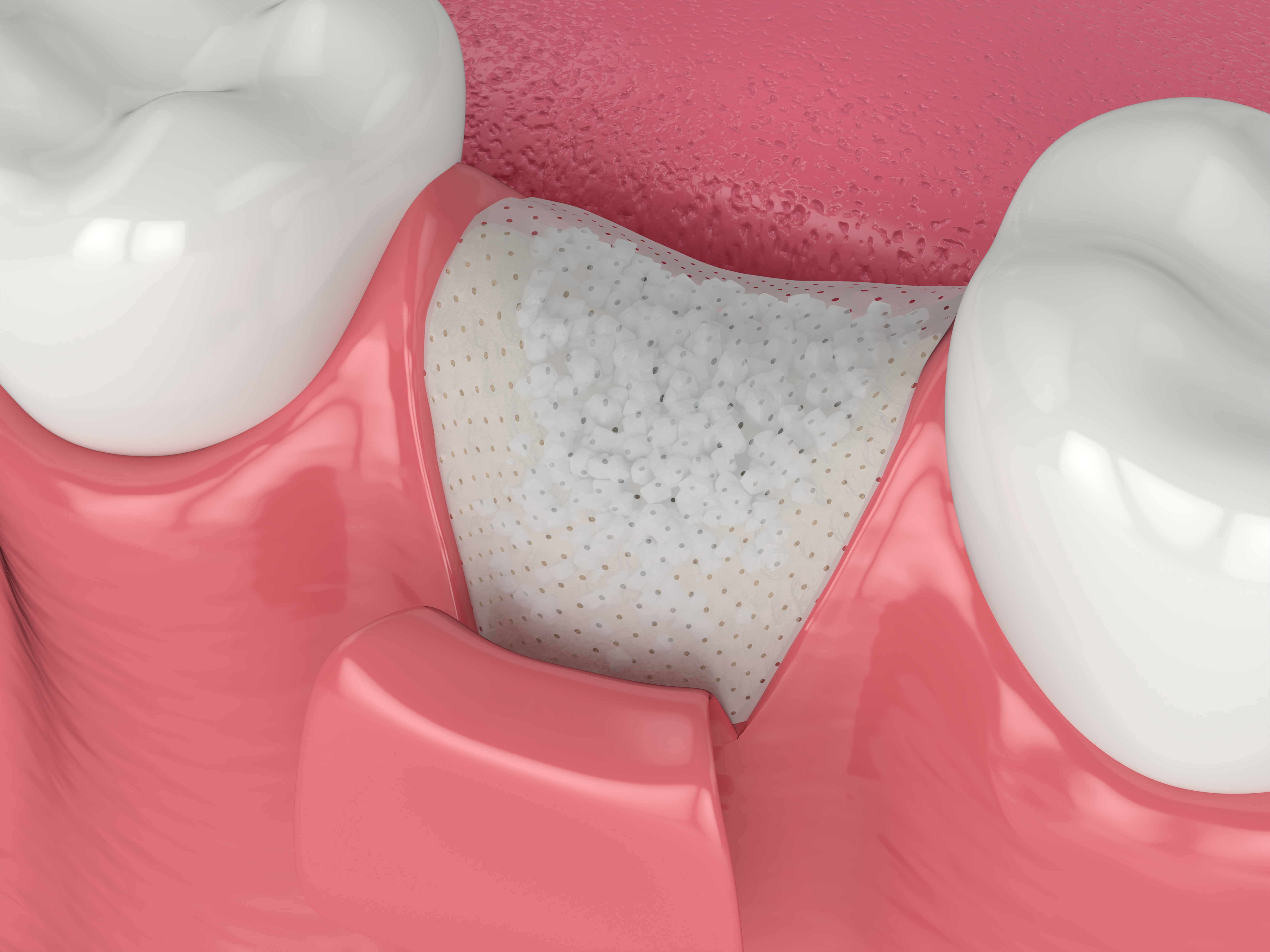
Socket preservation addresses the immediate need after an extraction. But what about areas where bone has already been lost — from previous extractions without grafting, long-term tooth loss, trauma, or gum disease?
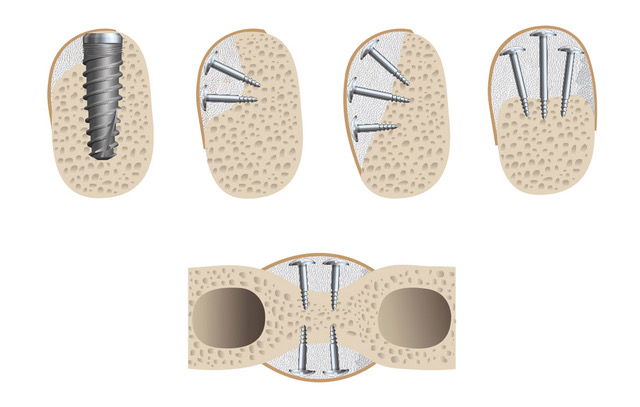
For these situations, Dr. Kriston uses a more advanced technique called Guided Tissue Regeneration (GTR). GTR rebuilds bone in areas where it’s absent by creating the right environment for your body to grow new bone where none currently exists.
The principle is the same as socket preservation — bone-forming cells need a scaffold to grow into, and soft tissue must be kept out of the area to prevent it from filling the space before bone can form. But GTR applies this principle to more complex defects that don’t have the natural containment that a socket provides.
In a GTR procedure, Dr. Kriston uses membranes and small fixation screws to create a scaffolding framework over the bone defect. This framework defines the shape and volume of the bone that needs to be regenerated. Bone graft material is placed underneath the membrane, filling the defect, and the membrane is secured in place with screws to prevent collapse or movement during healing.
The membrane serves the same critical function as in socket preservation: it acts as a barrier that keeps the fast-growing soft tissue from invading the space, giving the slower-growing bone cells the time and space they need to regenerate.
Over the following months, bone-forming cells from the adjacent living bone migrate into the graft material and gradually build new bone. The success of GTR procedures depends primarily on the shape of the bone defect — specifically, how much natural living bone surrounds it. The more surrounding bone, the greater the blood supply and the more bone-building cells are available to convert the graft material into new living bone.

Bone grafting is not an overnight process. The body needs time to convert graft material into living bone, and rushing the timeline risks compromising the result.
Socket grafts typically require 3 to 6 months of healing before a dental implant can be placed. This timeframe allows the graft to fully mature into dense, living bone capable of supporting the mechanical loads of an implant.
GTR and ridge augmentation procedures in areas where bone was absent (not just an extraction socket) can take longer — sometimes up to a year, depending on the size of the defect and the amount of bone being regenerated.
While the wait can feel long, it’s worth it. Every millimeter of living bone that forms ensures a better chance of dental implant success — the ability for the implant to be as durable as a natural tooth root, bonded to the bone for years to come. Dr. Kriston monitors healing with periodic check-ups and 3D CBCT imaging to confirm that the graft has matured sufficiently before moving to the next stage of treatment.
The bone grafting chapter of your implant journey directly determines the cosmetic chapter. As described on our Implant Restorations page, implant restorations in the esthetic zone are classified by how much bone and soft tissue is available:
The difference between these outcomes often comes down to whether a bone graft was placed at the time of extraction. A well-grafted socket preserves the bone height and volume that keeps the FP-1 option available — the most natural-looking, most cosmetically ideal result.
This is the connection that Dr. Kriston emphasizes with every patient: the decision you make about bone grafting today directly affects the quality of your smile for years to come.
.jpeg)
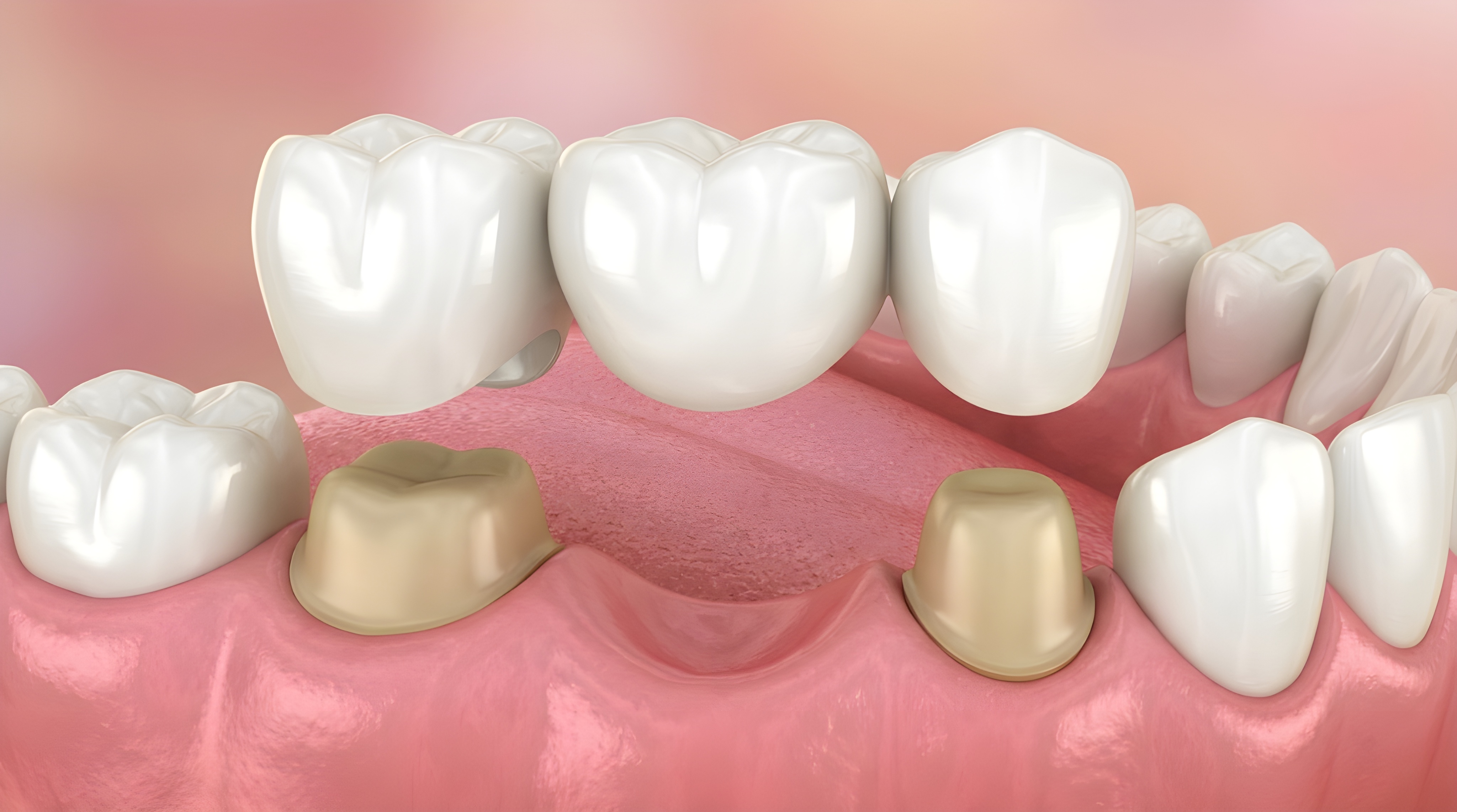
Bone grafting isn’t only for patients planning dental implants. If you’re considering a bridge to replace a missing tooth, the shape of the ridge underneath the bridge matters for both function and hygiene.
A bridge spans the gap between two teeth, with a false tooth (called a pontic) suspended over the ridge where the missing tooth was. Ideally, the ridge underneath the pontic should be flat and wide — creating a surface that the pontic can sit close to, making the area easy to clean.
When bone is lost after an extraction without grafting, the ridge collapses and becomes concave. A bridge pontic over a collapsed ridge creates a large gap between the false tooth and the tissue — a space where food collects, plaque accumulates, and cleaning becomes difficult. This can lead to gum irritation, bad breath, and long-term periodontal problems around the teeth supporting the bridge.
Preserving the ridge with a socket graft prevents this problem, creating the flat, wide surface that makes bridge hygiene straightforward.
When performed alongside an extraction, bone grafting adds only minimal time to the appointment — typically 10 to 15 minutes. The socket is cleaned, the graft material is placed (with a collagen membrane if needed), and the site is closed.
Recovery is similar to a standard extraction. Most patients experience mild soreness for one to two days, manageable with over-the-counter pain relief. Dr. Kriston provides detailed aftercare instructions, including recommendations on soft food, gentle oral hygiene around the site, and what to watch for during healing.
For patients who feel anxious about the procedure, Dr. Kriston holds a California oral conscious sedation permit. Sedation is available for any extraction and grafting procedure to ensure you’re completely comfortable.
Periodic follow-up visits allow Dr. Kriston to monitor the healing progress. For socket grafts, a 3D CBCT scan is typically taken at 3 to 4 months to confirm that adequate bone has formed before proceeding with implant placement.
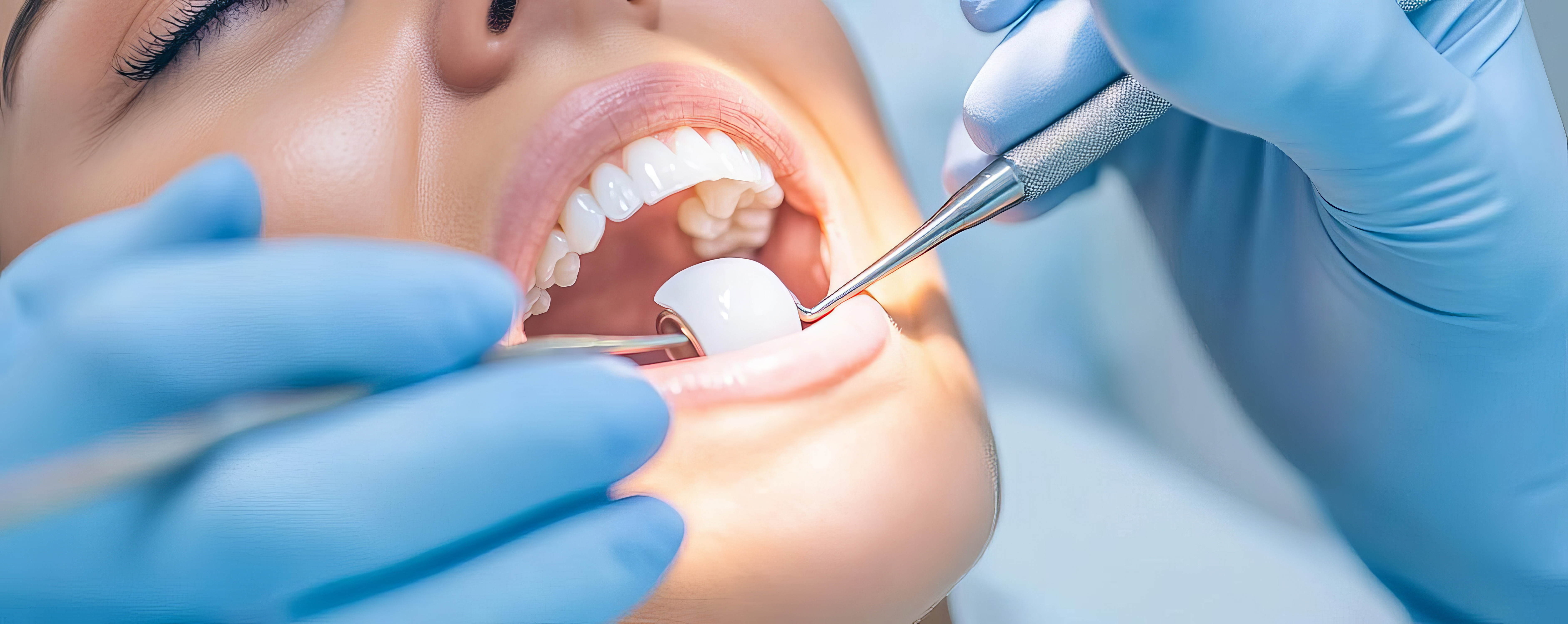

Bone grafting is performed by many dental practices. What makes Dr. Kriston’s approach different is context: every grafting decision is made with the final restoration in mind.
Because Dr. Kriston is the restorative dentist who will design and deliver your implant crown, bridge, or prosthesis, he knows exactly how much bone is needed, where it’s needed, and what cosmetic outcome the bone needs to support. The graft isn’t an isolated procedure — it’s the first step in a coordinated plan that ends with a beautiful, functional restoration.
His office is equipped with a Carestream 3D CBCT scanner that provides detailed imaging of your bone levels before extraction, during the grafting decision-making process, and during healing follow-up. This technology ensures that grafting is planned with precision and that healing is confirmed before the next step.
With 38 years of experience and a commitment to preserving every millimeter of bone possible, Dr. Kriston treats bone grafting not as an add-on to an extraction, but as an investment in your future smile.

.svg)
By far the best dentist I’ve had! Extremely thoughtful in his work, taking time to explain the reasoning behind decisions and will even show you the details of what is going on with your teeth through a micro camera. I had a few significant issues with my teeth, and Michael was the first of four dentists I had seen to provide a thoughtful long term solution in the least invasive way possible. He is truly concerned with the health and function of your teeth and gums, and is extremely skilled to implement great solutions. Would highly recommend.

I had my first visit with Dr. Kriston and had the best experience in a dental office, by far. I was looking for a dentist to revamp my smile and a friend recommended Dr. Kriston. Dr. Kriston spent a lot of time listening to my vision and together we came up with a plan for my smile that I'm very happy with. Everyone in the office was friendly, helpful and welcoming. My bar was set high and Dr. Kriston went well above it with his knowledge, recommendations and real understanding of my situation.

The office is beautiful, modern and spotless. They have relaxing music playing throughout that right away made me feel calm. The front receptionist is very attentive and supportive; she answered all my questions and clearly explained the cost and my insurance. I qualified for an interest free payment plan and was able to afford my dream smile.

I just had to write this review because I'm so happy I found Dr. Kriston. I've been self conscious about my teeth for years and I just couldn't find a dentist I felt this good about. I highly recommend Dr. Kriston.
Clean, professional, and easy to use. Velora gave my agency the polished online presence it needed."
Clean, professional, and easy to use. Velora gave my agency the polished online presence it needed."
Clean, professional, and easy to use. Velora gave my agency the polished online presence it needed."
Clean, professional, and easy to use. Velora gave my agency the polished online presence it needed."
By far the best dentist I’ve had! Extremely thoughtful in his work, taking time to explain the reasoning behind decisions and will even show you the details of what is going on with your teeth through a micro camera. I had a few significant issues with my teeth, and Michael was the first of four dentists I had seen to provide a thoughtful long term solution in the least invasive way possible. He is truly concerned with the health and function of your teeth and gums, and is extremely skilled to implement great solutions. Would highly recommend.
I had my first visit with Dr. Kriston and had the best experience in a dental office, by far. I was looking for a dentist to revamp my smile and a friend recommended Dr. Kriston. Dr. Kriston spent a lot of time listening to my vision and together we came up with a plan for my smile that I'm very happy with. Everyone in the office was friendly, helpful and welcoming. My bar was set high and Dr. Kriston went well above it with his knowledge, recommendations and real understanding of my situation.
The office is beautiful, modern and spotless. They have relaxing music playing throughout that right away made me feel calm. The front receptionist is very attentive and supportive; she answered all my questions and clearly explained the cost and my insurance. I qualified for an interest free payment plan and was able to afford my dream smile.
I just had to write this review because I'm so happy I found Dr. Kriston. I've been self conscious about my teeth for years and I just couldn't find a dentist I felt this good about. I highly recommend Dr. Kriston.
By far the best dentist I’ve had! Extremely thoughtful in his work, taking time to explain the reasoning behind decisions and will even show you the details of what is going on with your teeth through a micro camera. I had a few significant issues with my teeth, and Michael was the first of four dentists I had seen to provide a thoughtful long term solution in the least invasive way possible. He is truly concerned with the health and function of your teeth and gums, and is extremely skilled to implement great solutions. Would highly recommend.
I had my first visit with Dr. Kriston and had the best experience in a dental office, by far. I was looking for a dentist to revamp my smile and a friend recommended Dr. Kriston. Dr. Kriston spent a lot of time listening to my vision and together we came up with a plan for my smile that I'm very happy with. Everyone in the office was friendly, helpful and welcoming. My bar was set high and Dr. Kriston went well above it with his knowledge, recommendations and real understanding of my situation.
The office is beautiful, modern and spotless. They have relaxing music playing throughout that right away made me feel calm. The front receptionist is very attentive and supportive; she answered all my questions and clearly explained the cost and my insurance. I qualified for an interest free payment plan and was able to afford my dream smile.
I just had to write this review because I'm so happy I found Dr. Kriston. I've been self conscious about my teeth for years and I just couldn't find a dentist I felt this good about. I highly recommend Dr. Kriston.
By far the best dentist I’ve had! Extremely thoughtful in his work, taking time to explain the reasoning behind decisions and will even show you the details of what is going on with your teeth through a micro camera. I had a few significant issues with my teeth, and Michael was the first of four dentists I had seen to provide a thoughtful long term solution in the least invasive way possible. He is truly concerned with the health and function of your teeth and gums, and is extremely skilled to implement great solutions. Would highly recommend.
I had my first visit with Dr. Kriston and had the best experience in a dental office, by far. I was looking for a dentist to revamp my smile and a friend recommended Dr. Kriston. Dr. Kriston spent a lot of time listening to my vision and together we came up with a plan for my smile that I'm very happy with. Everyone in the office was friendly, helpful and welcoming. My bar was set high and Dr. Kriston went well above it with his knowledge, recommendations and real understanding of my situation.
The office is beautiful, modern and spotless. They have relaxing music playing throughout that right away made me feel calm. The front receptionist is very attentive and supportive; she answered all my questions and clearly explained the cost and my insurance. I qualified for an interest free payment plan and was able to afford my dream smile.
I just had to write this review because I'm so happy I found Dr. Kriston. I've been self conscious about my teeth for years and I just couldn't find a dentist I felt this good about. I highly recommend Dr. Kriston.
.jpeg)