
The idea that beauty follows mathematical rules isn’t new. It’s been studied for over two millennia.
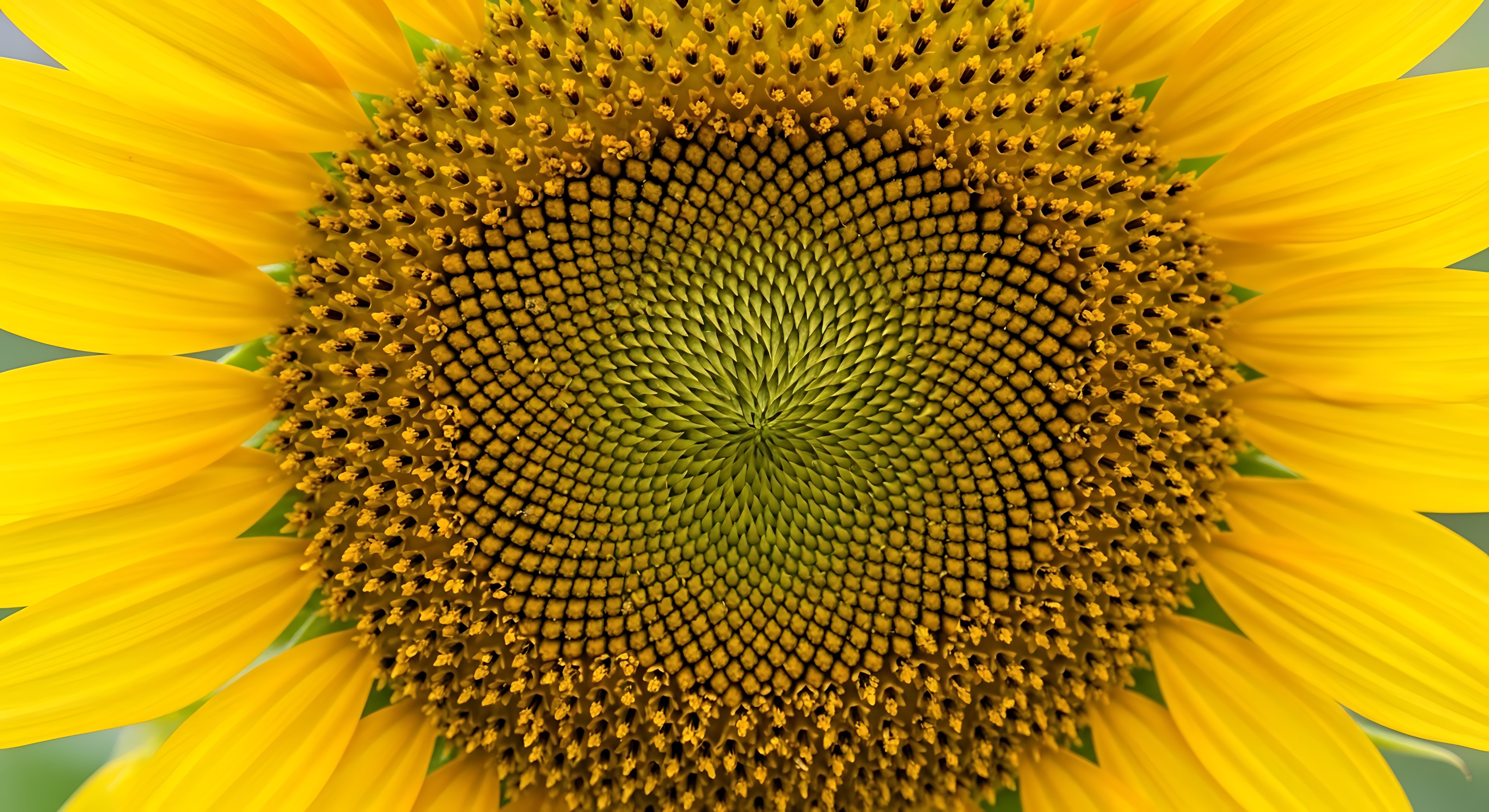
Ancient Greek mathematicians first observed that certain proportional relationships appeared consistently in objects and structures that humans found beautiful. In the 13th century, Leonardo of Pisa — known as Fibonacci — described a number sequence (1, 1, 2, 3, 5, 8, 13, 21...) in which each number is the sum of the two before it. The ratio between consecutive Fibonacci numbers approaches approximately 1.618 — a value that became known as the golden ratio.
In 1509, Luca Pacioli published Divina Proportione, linking this ratio directly to esthetic beauty. By the 1800s, scientists and artists had identified the golden proportion throughout nature — in the spiral of a nautilus shell, the arrangement of petals in a flower, the proportions of the human face. It appeared consistently in works of art and architecture that were universally considered beautiful.
In modern cosmetic dentistry, the golden proportion provides a framework for designing smiles that feel inherently “right.” It guides the ideal width relationship between the central incisors, lateral incisors, and canines as seen from the front. When these teeth follow golden proportion, the smile has a natural harmony that the eye recognizes as beautiful — even if the viewer can’t explain why.
Dr. Kriston strives to achieve golden proportions in every smile design, but he’s also realistic: not every mouth can achieve the mathematical ideal. Crowding, malpositioned or rotated teeth, and significant midline discrepancies sometimes require compromise. The golden proportion is the target, not a rigid rule — and knowing when and how to adapt it to individual anatomy is what separates a skilled cosmetic dentist from someone following a formula.
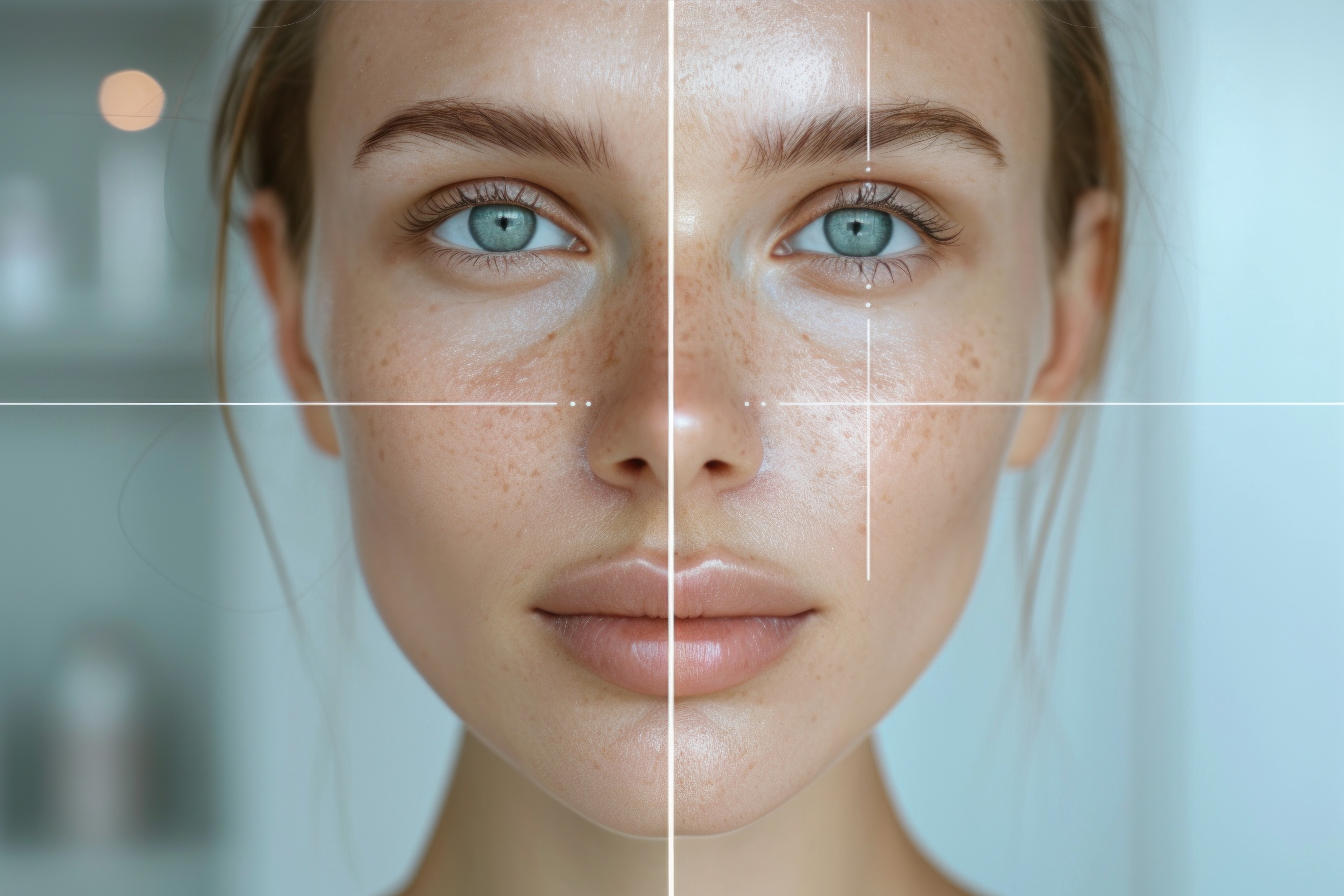
To apply the golden proportion, Dr. Kriston uses a grid overlaid on the face — either physically or from a digital photograph — to calculate the ideal size of the central incisors in proportion to the face. Key measurements include facial width (the distance between the cheekbones) and facial height (measured from the pupils to the chin). These proportions determine how wide and how long the central incisors should be to look naturally harmonious with your facial structure.
Before Dr. Kriston designs a single tooth, he analyzes the face. Because a smile doesn’t exist in isolation — it exists in the context of lips, cheekbones, eyes, nose, and chin. A smile that looks beautiful on one face might look completely wrong on another.
.jpeg)
Some people worry about veneers looking “too white” or artificial. Here’s the truth: the natural appearance of veneers depends more on shape and surface character than just color. The whitest teeth can look completely natural when the proportions, light reflection, and subtle characterization are customized specifically for your face.The midline of your smile — the vertical line between your two central incisors — should ideally align with the midline of your face. But here’s what most patients don’t realize: the midline of your face is not determined by the center of your nose. Noses are often asymmetrical and can be off-center.
The cant is the tilt or angulation of the smile relative to the face. Dr. Kriston determines the correct smile plane using one critical reference: the interpupillary line — a horizontal line drawn through the centers of both pupils.
The biting edges of your upper front teeth should be parallel to this interpupillary line. When they’re not — when the smile is canted or tilted relative to the eyes — the face looks asymmetrical, even if every individual tooth is perfect. This is one of those things people feel instinctively (“something looks off”) without being able to pinpoint why.
Correcting a cant or designing a new smile to follow the correct plane is something Dr. Kriston evaluates at the very start of the design process, because it affects the length of every tooth in the smile.
.jpeg)
An ideal beautiful smile shows as much of the teeth as possible — ideally all of the teeth up to the gum line, with no more than 1 to 2 millimeters of gum tissue visible above. Not everyone has the bone structure or muscle attachments to achieve this ideal, but understanding your lip dynamics is essential for designing a result that maximizes your facial esthetics.
A high lip line that reveals significant gum tissue demands particular attention to gum symmetry, gingival zenith positioning, and the restoration margins at the gum line. A low lip line that shows less tooth and gum gives more flexibility — minor gum asymmetries or restoration margins may never be visible.
Dr. Kriston evaluates your lip line both at rest and during a full smile, because the two can be very different. He also observes how much tooth shows during natural speech, which affects how restorations need to be shaped for both appearance and sound production.
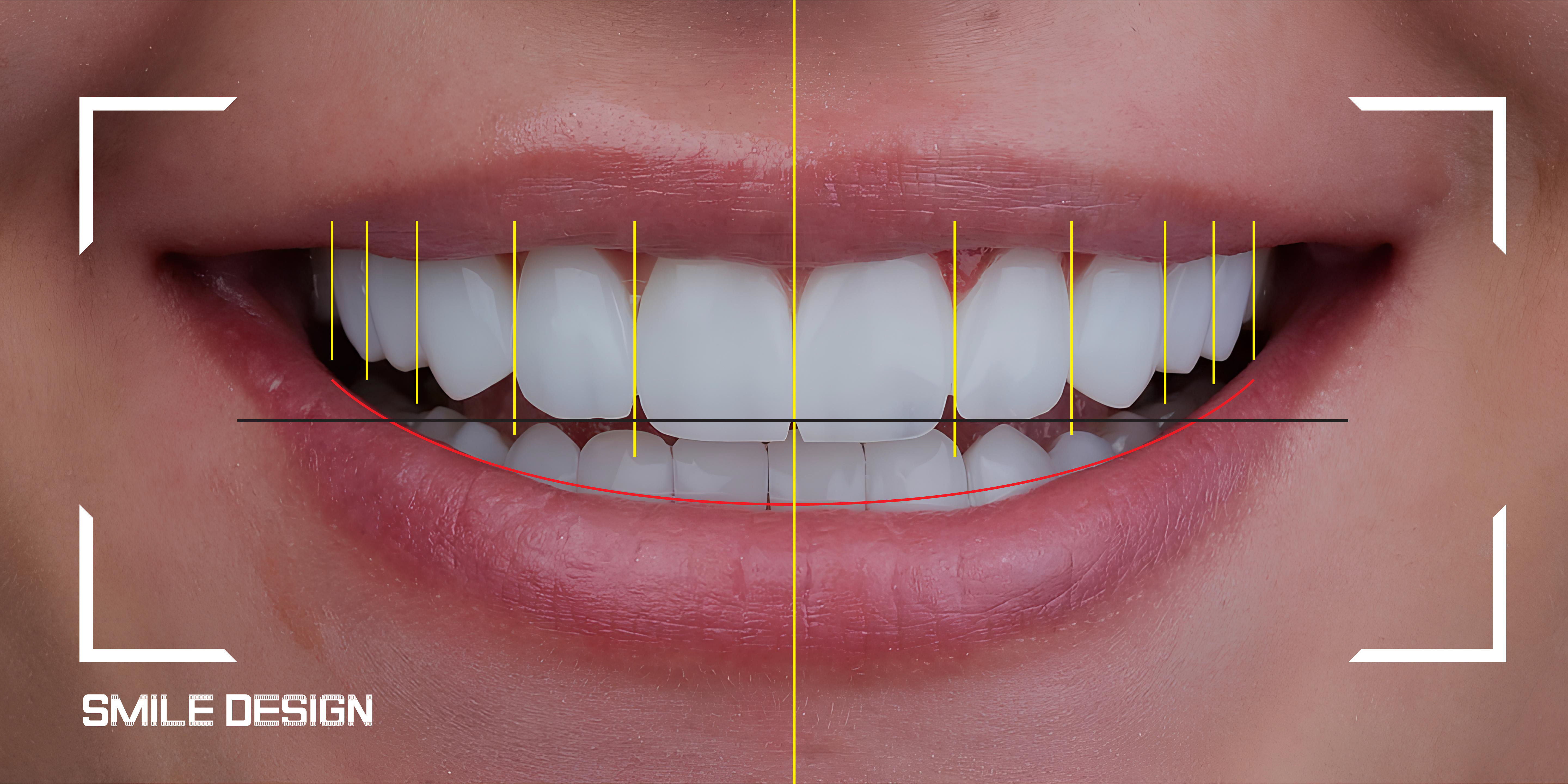
One of the most beautiful elements of a well-designed smile is something most people feel but never consciously notice: the smile arc.
The smile arc is the curved line formed by connecting the biting edges of the upper front teeth — from canine to canine. In a naturally beautiful smile, this curve should mimic the curve of the lower lip when smiling. The central incisors are longest, the lateral incisors slightly shorter, and the canines another length — and the curve that connects those edges follows the same gentle arc as the lower lip.
When the smile arc follows the lower lip, the smile looks dynamic, youthful, and harmonious. When the biting edges are flat across (common in worn or aged smiles) or when the arc is reversed (curving upward instead of downward), the smile looks aged, tired, or unnatural.
Designing the correct smile arc is one of the key decisions Dr. Kriston makes when setting the lengths of the central incisors, laterals, and canines. It’s the reason different teeth should be different lengths — not arbitrary variation, but a deliberate curve that mirrors the anatomy of your lips.
.jpeg)
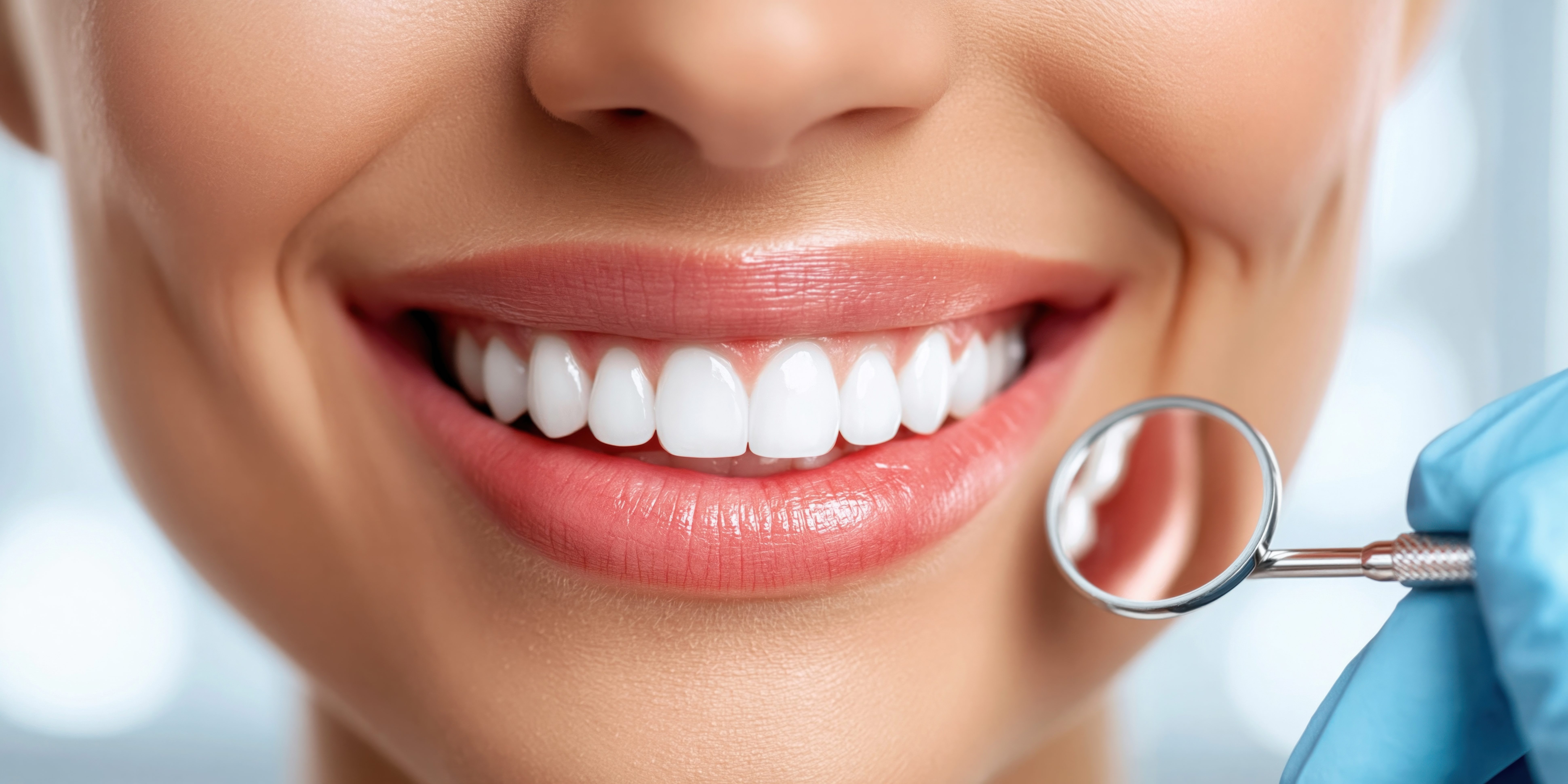
The gum line is the frame that surrounds each tooth. When the gum heights are asymmetrical — higher on one tooth than its mirror twin — the smile looks unbalanced regardless of how perfect the teeth are. The gingival zenith (the highest point of the gum curve on each tooth) should be positioned correctly and symmetrically across the smile.
When gum asymmetry is present, Dr. Kriston can reshape the gums with a dental laser to restore balance before any restorative work begins. This is also how a gummy smile is addressed — lifting the entire gum line to reveal more tooth and less gum, creating the ideal proportion for your lip dynamics.
Gum reshaping is often one of the first steps in a smile design case, because getting the frame right sets the foundation for everything that follows. The topic is covered in depth on our dedicated Gum Lift & Reshaping page.
Tooth shape is where smile design becomes truly personal. The shape of your teeth communicates more than you might realize — about your age, your energy, even your personality. And the right shapes for your smile depend on a combination of factors that Dr. Kriston balances carefully.
Age-Appropriate Shape
The surface and edges of natural teeth change predictably with age, and a well-designed smile reflects this:
Younger teeth have deeper surface depressions, rounded corners, and even small bumps on the biting edges called mamelons — all natural appearances from tooth development. These characteristics give young smiles their vitality and dimension.
Middle-aged teeth begin to lose these developmental features. Surface texture smooths out, corners become less rounded, and the biting edges flatten slightly. The teeth still have variation in length — centrals longest, laterals shorter, canines a different length again — but the youthful bumps and curves have softened.
Older teeth show significant wear. In the very elderly, teeth may be worn down to a single uniform length — flat, smooth, and without surface character. Corners are squared off because the natural curves at the biting edge have been ground away over decades.
When Dr. Kriston designs a smile, he can turn back the clock by restoring length and variation to worn teeth. But to make the result look natural rather than artificial, the surface texture and edge character must be appropriate for the patient’s age. A 60-year-old with the surface texture of a 20-year-old’s teeth would look unnatural. The art is in restoring youthfulness while maintaining believability.
The key to a youthful-looking smile at any age: make the central incisors the same length as each other, the lateral incisors slightly shorter, and the canines still another length — while keeping the same tooth on opposite sides of the smile exactly the same. This variation in length, combined with bilateral symmetry, is what the eye reads as beautiful.
Gender and Personality
Tooth shape communicates gender and personality in subtle but powerful ways:
Rounded corners create a softer, more friendly, more feminine appearance. When a woman wants her smile to feel warm and approachable, subtle rounding of the incisal edges makes a significant difference.
Squared-off, angular edges read as stronger, more dominant, more masculine. Some men see angular teeth as an asset in their professional environment — a smile that projects confidence and authority.
Pointed canines are the most dramatic shape element. Prominent, pointed canines look aggressive and dominant. Dr. Kriston will round the points on canines to soften a woman’s smile, but he’ll preserve or even accentuate them for a man who sees the look as an asset.
These are not rigid rules — they’re tendencies that Dr. Kriston uses as starting points, then adjusts based on what the individual patient wants their smile to communicate.
Beauty matters, but your teeth also have a job to do. And sometimes function demands modifications to the ideal cosmetic shape:
Grinding (bruxism). A patient who grinds their teeth side to side may need the pointed canines flattened so that other teeth contact during grinding, distributing the load among several teeth rather than concentrating force on the canine tips. The same principle applies to forward grinding — the biting edges of the front teeth may need to be shaped to share forces.
Periodontal concerns. When the bone support around teeth is compromised, making teeth too long can create leverage that loosens them. The design must respect the biological limits of what the supporting tissues can handle.
TMJ and muscle comfort. Tooth lengths and shapes that create uncomfortable contact during chewing or clenching can cause muscle fatigue, headaches, and TMJ pain. Sometimes we must compromise on individualizing tooth lengths to maintain functional comfort.
The body tells you when you’ve asked for too much. Restorations break, teeth move or loosen, and muscles protest when the design exceeds the biological limits. Form follows function in nature — and in smile design, we juggle what we know about beauty with what looks natural, what’s age-appropriate, and what the functional demands and health require.
Surface texture is one of the most overlooked elements in smile design — and one of the most important for making restorations look like natural teeth rather than dental work.
Natural teeth are not perfectly smooth. They have vertical developmental lines, slight concavities, and areas of varying surface finish that catch and reflect light in complex ways. It’s this interplay of light and texture that gives natural teeth their depth and dimension.
When restorations are polished to a uniform, glassy smoothness, they look flat — obviously artificial. When they’re given appropriate surface texture for the patient’s age and tooth type, they come alive and become indistinguishable from natural enamel.
Younger teeth should have more pronounced surface texture — deeper developmental lines and more varied surface topography. Older teeth should have smoother, more worn surfaces. Dr. Kriston communicates these texture requirements to his ceramist for laboratory-fabricated restorations (veneers, crowns) and creates them by hand for direct bonding work.
This is one of those details that the average patient never consciously notices — but their eye recognizes it instantly. A smile with appropriate surface texture reads as “real.” A smile without it reads as “dental work.”
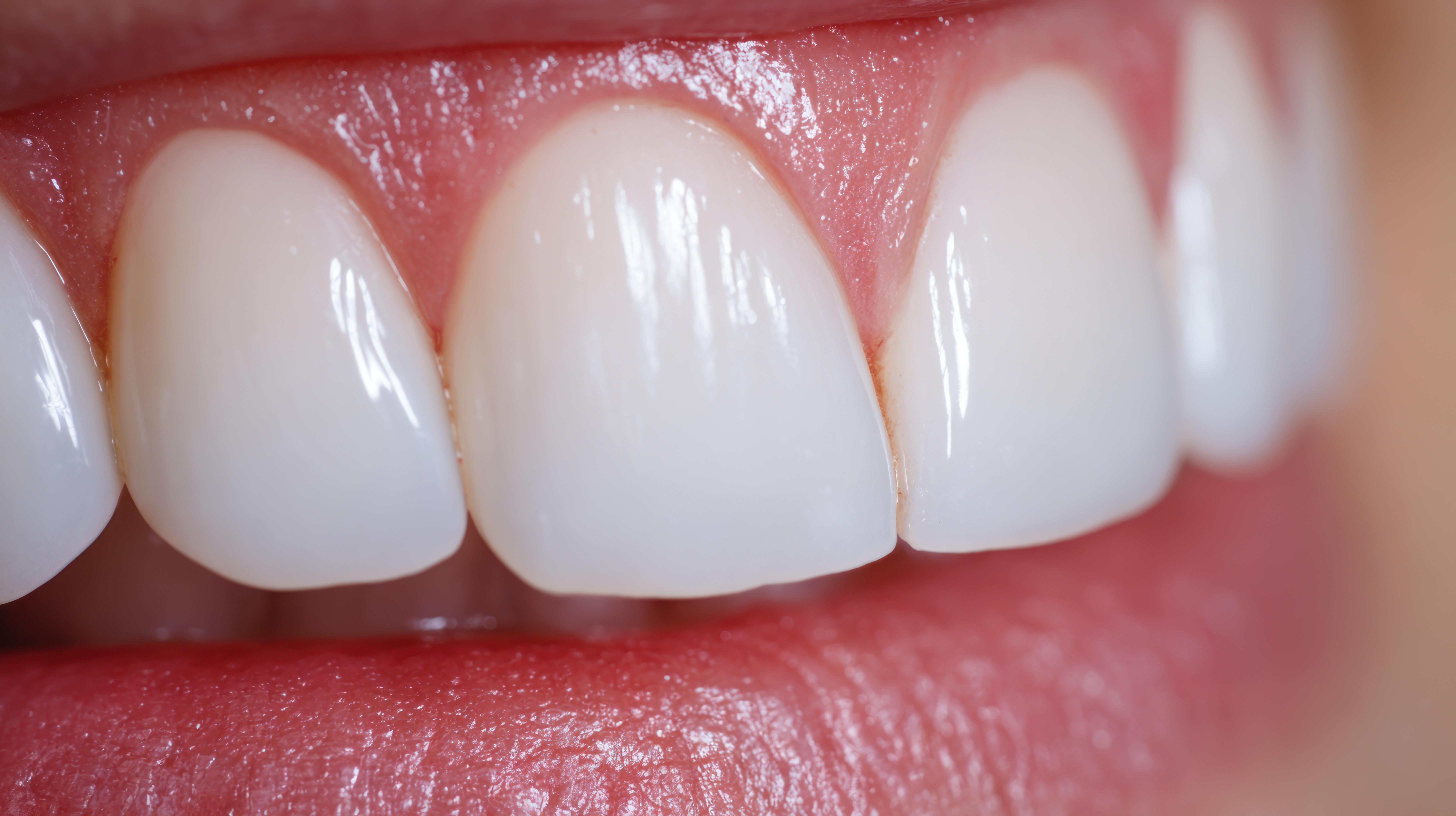
Most patients come in asking for “white teeth.” And in Dr. Kriston’s experience, most people do want the whitest smile possible. That’s perfectly achievable — but making white teeth look natural rather than artificial requires understanding the complexity of how real teeth interact with light.
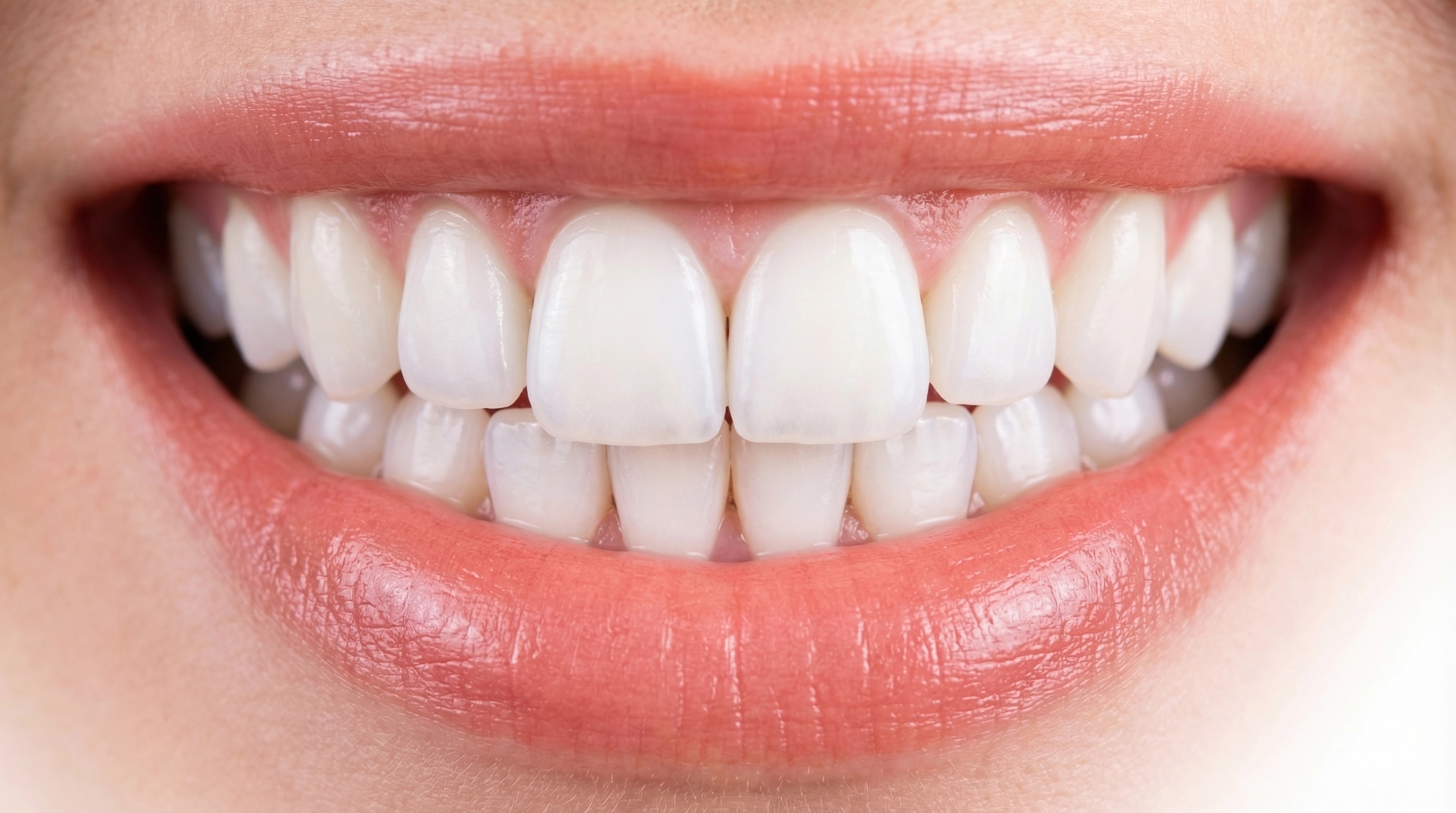
Natural teeth aren’t opaque. They have a quality called translucency — the ability to transmit light rather than just reflecting it. This is most visible at the biting edges of the front teeth, where the enamel is thinnest and light passes partially through.
Translucency is what makes teeth look alive rather than painted. But the right amount depends on age:
Younger teeth have natural translucency at the biting edges because the enamel is intact and thin at the tips.
Middle-aged teeth may have lost the translucent edge through wear, making the biting edge appear more opaque.
Elderly teeth can paradoxically become translucent again as wear thins the edges further — but this time with frayed or jagged biting edges that look aged rather than youthful.
The amount of translucency in a restoration must be appropriate to the patient’s age and the surrounding natural teeth. Too much translucency on a 55-year-old looks unnatural. Too little on a 25-year-old looks flat and lifeless.
Most patients aren’t fans of heavy translucency at the biting edge, but there are wonderful new ceramic materials that provide incredibly lifelike translucency with excellent strength. In the past, achieving translucent incisal edges required sacrificing strength — that trade-off is no longer necessary with today’s advanced ceramics.
Every tooth has an underlying core color — the shade of the dentin beneath the enamel. How much of this core color shows through the restoration depends on the material’s opacity.
For single-tooth restorations that need to match adjacent natural teeth, some degree of translucency (allowing the underlying tooth color to influence the final shade) is actually desirable. It helps the restoration blend with its neighbors rather than standing out as too opaque or too uniform.
For full smile makeovers where you’re choosing a new shade entirely, the calculation changes. If the underlying teeth are dark — particularly with tetracycline staining that creates dark brown bands — the restoration material needs enough opacity to completely block out the underlying color. Dr. Kriston may prepare the tooth surface to remove the darkest staining, then apply a neutralizing shade of composite before placing the veneer or crown. Some ceramic materials do a better job at masking these stains than others, but we must always keep functional demands in mind — not all materials have the same strength, and sometimes there’s a trade-off between opacity and durability.
The end shade is always discussed with the patient before treatment begins. Dr. Kriston works with you to select exactly the shade you want, then engineers the layering of materials underneath to achieve it — whether that means allowing natural tooth color to show through, partially blocking it, or completely masking it.
The bottom line: when you want the whitest teeth possible, you can have them. But having surface characteristics, incisal translucency, varied tooth shapes and sizes (all symmetrical, of course) — these are the details that make even the whitest smile look gorgeous and natural rather than artificial.
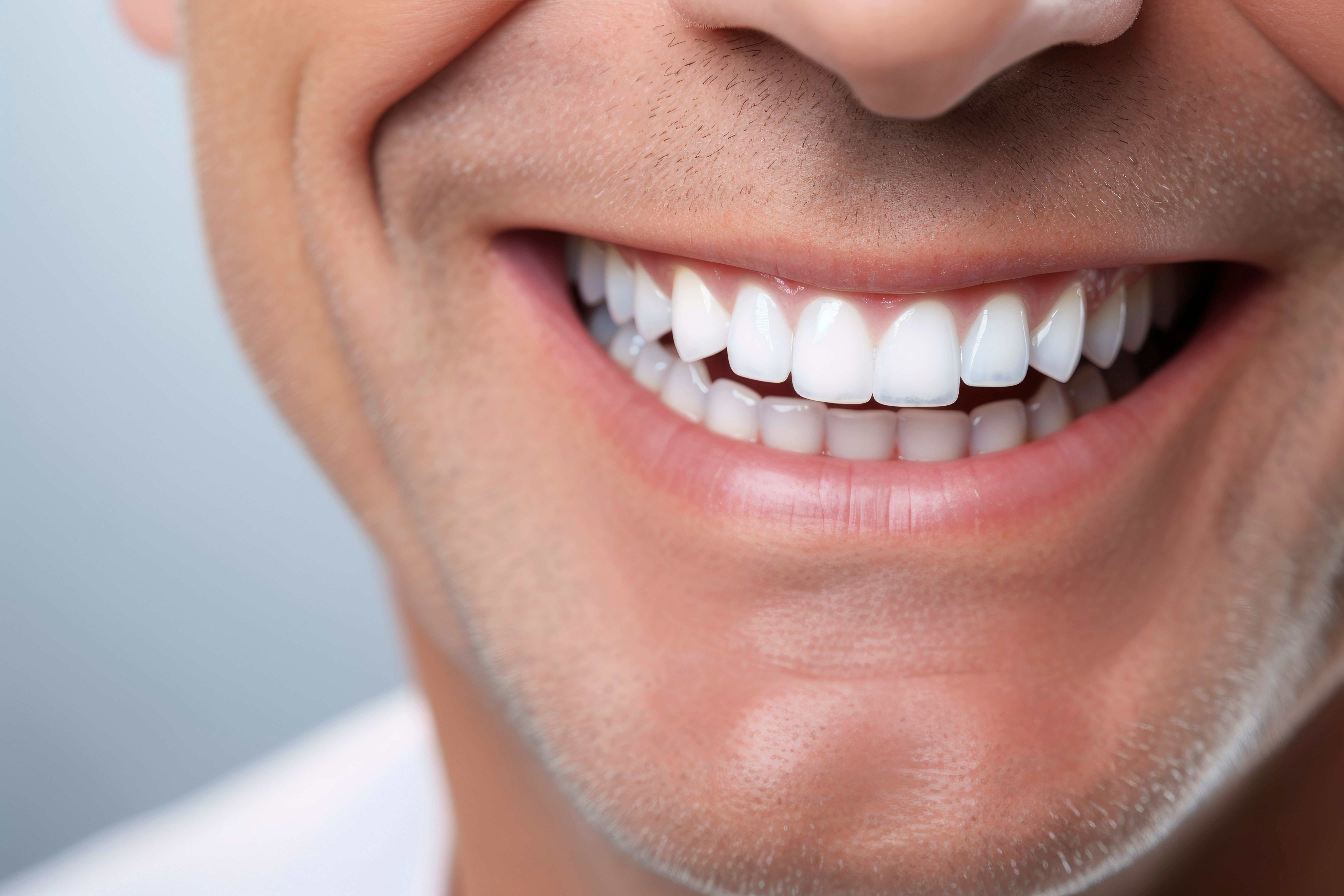

Everything starts with a conversation. Dr. Kriston sits down with you — not in a dental chair, just talking — to understand what you have in mind. What bothers you about your current smile? What would you change? What does your ideal smile look like?
He encourages patients to bring pictures. Show him smiles you admire — friends, celebrities, photos from magazines or social media — and tell him what you like about those smiles. Even more importantly, especially for denture cases, he asks patients to bring in photos of themselves from when they were younger: before they lost teeth, before aging changed their smile, before teeth moved or became crooked. These photos are invaluable reference points for recreating a smile that feels authentically “you.”
And this is also where Dr. Kriston sets expectations. You may want a particular celebrity’s smile, but there may be anatomical or functional reasons that exact smile isn’t achievable for your mouth. Dr. Kriston explains why — clearly and honestly — and shows you what IS achievable. He likes to match a patient’s dream smile to what is realistically possible before any work begins, so there are no disappointments later.
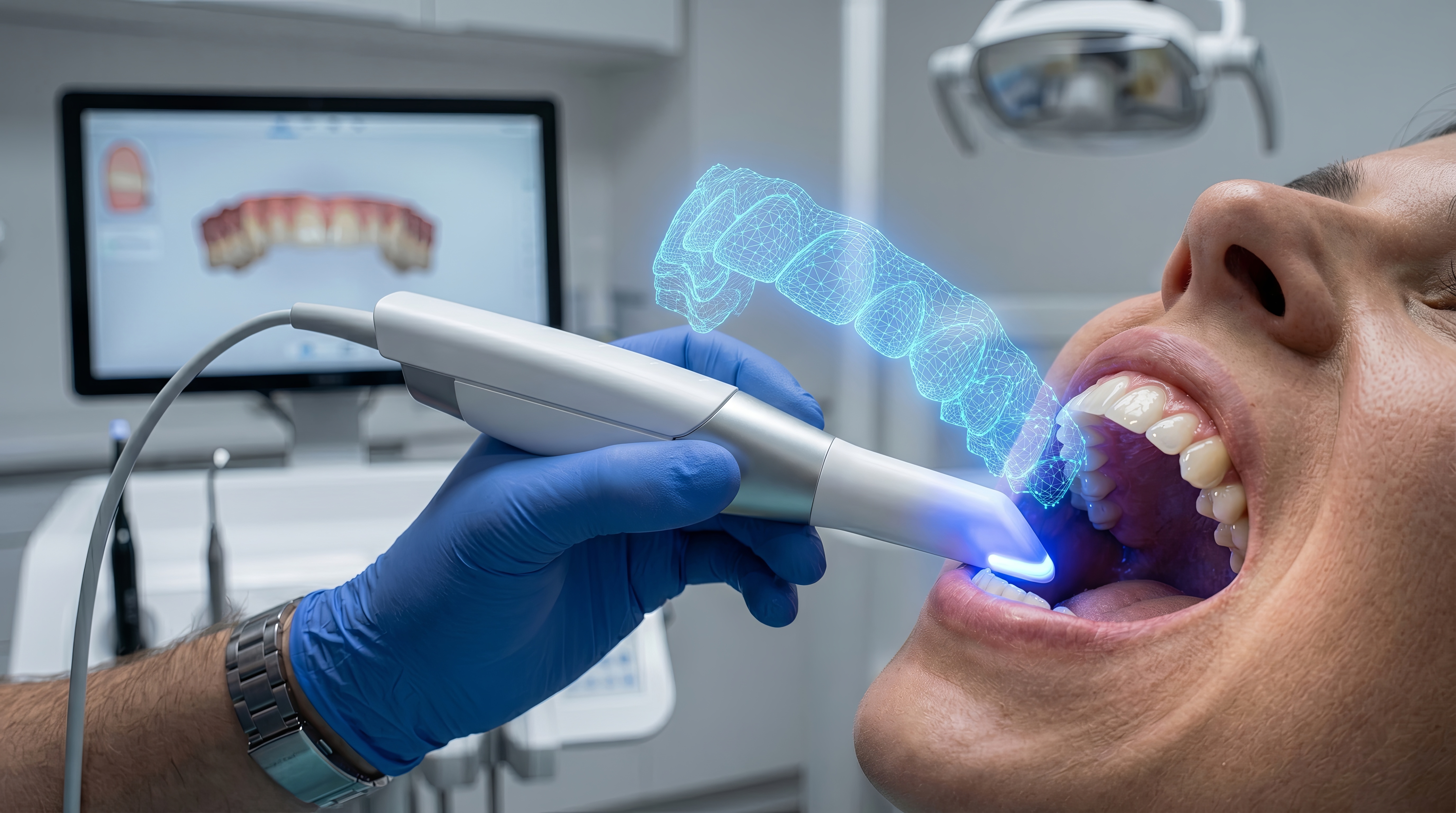
Once the vision is established, Dr. Kriston takes comprehensive records:
From this data, Dr. Kriston performs the facial and dental analysis: calculating ideal tooth proportions using golden proportion guidelines, establishing the correct midline, determining the smile plane (cant), evaluating gum symmetry and zenith positions, and assessing the lip dynamics that determine how much tooth and gum will be visible.
Based on the photos you’ve shown him, your desires and dream smile, his experience with what he feels would look fantastic for you and the reasons why, Dr. Kriston will suggest tooth shapes, lengths, surface character, and shade. This is a collaborative conversation — your input shapes the direction at every step.
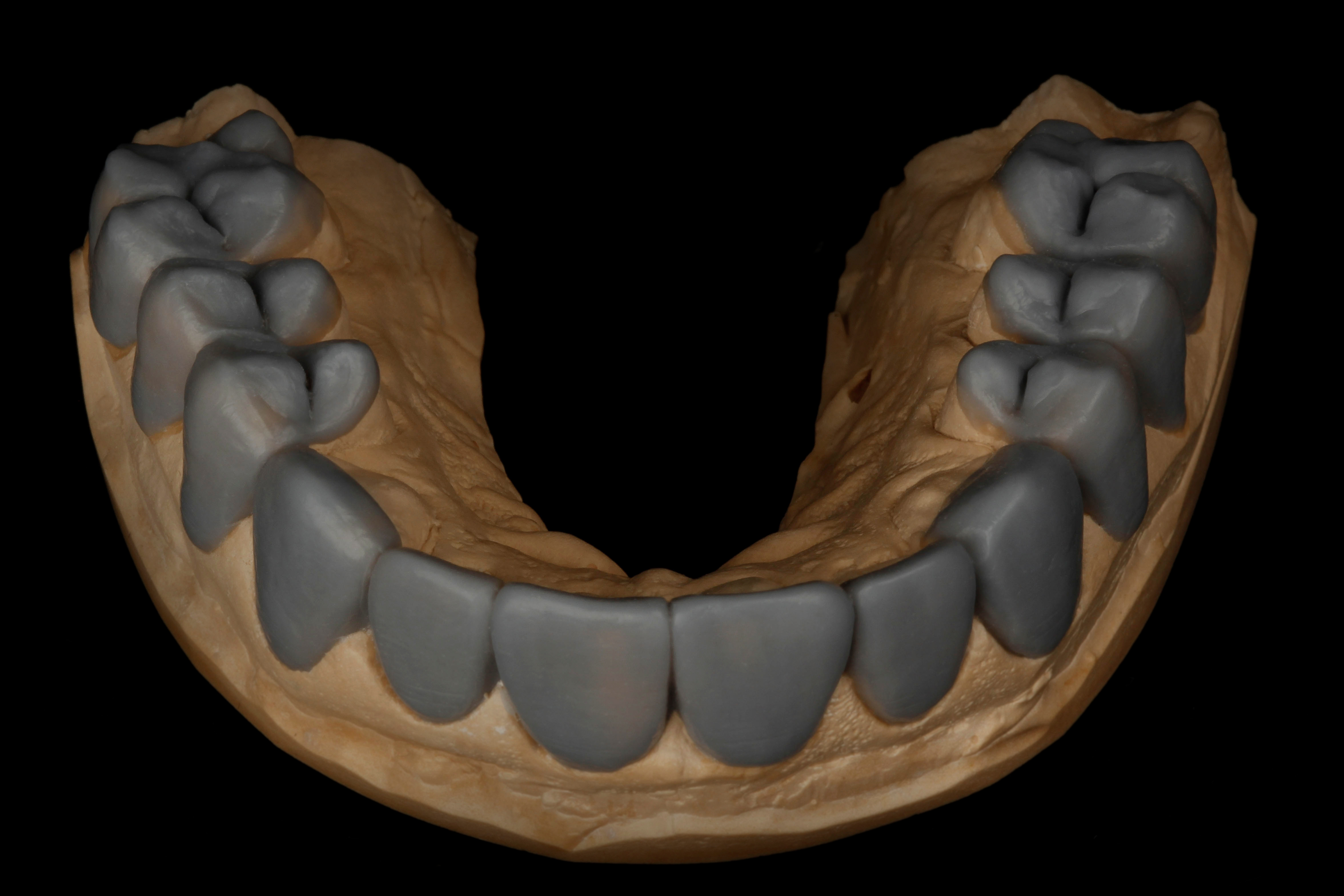
Before any permanent work is done, Dr. Kriston creates a prototype of your new smile. This takes different forms depending on the type of treatment:
For veneers and crowns: Dr. Kriston creates a wax-up or digital design that is then 3D-printed to serve as the physical prototype. This prototype becomes the model for your temporary veneers or crowns. Sometimes, if possible, he’ll do a mock-up with composite directly on your teeth during the consultation so you can see immediately what adding length or changing shape would look like.
For dentures: The actual final teeth are arranged in wax before the denture is processed in acrylic. You see the shade, size, and arrangement of every tooth before the final denture is made. You have the ability to change anything — shade, size, position — before it’s finalized.
The prototype stage is where the magic happens. The temporary veneers, crowns, or wax-up denture lets you live with the new design for a period of time. You check the esthetics in different lighting, in photographs, in the mirror. You check speech — there are sounds made with the tip of the tongue touching the teeth edges, and sounds that form from the space between upper and lower teeth, that need to be verified. You check comfort, chewing, and how the new proportions feel.
Lengths, shapes, sizes, and proportions can all be changed at this stage. Dr. Kriston adjusts the temporaries based on your feedback until both of you are completely satisfied.
By the time the final veneers, crowns, bridge, or denture are fabricated, there are no big surprises. The prototype has already been approved. The shade has been selected and tested. The shapes and proportions have been verified for esthetics, speech, and function.
The final restorations are crafted to match the approved prototype exactly — with the added refinement of the permanent ceramic material’s superior translucency, surface detail, and polish. The result is exactly what both you and Dr. Kriston expected, because the process was designed to eliminate uncertainty at every stage.
This is what 38 years of experience looks like in practice: a process so thorough that the final result is a confirmation of a plan, not a reveal of a gamble.
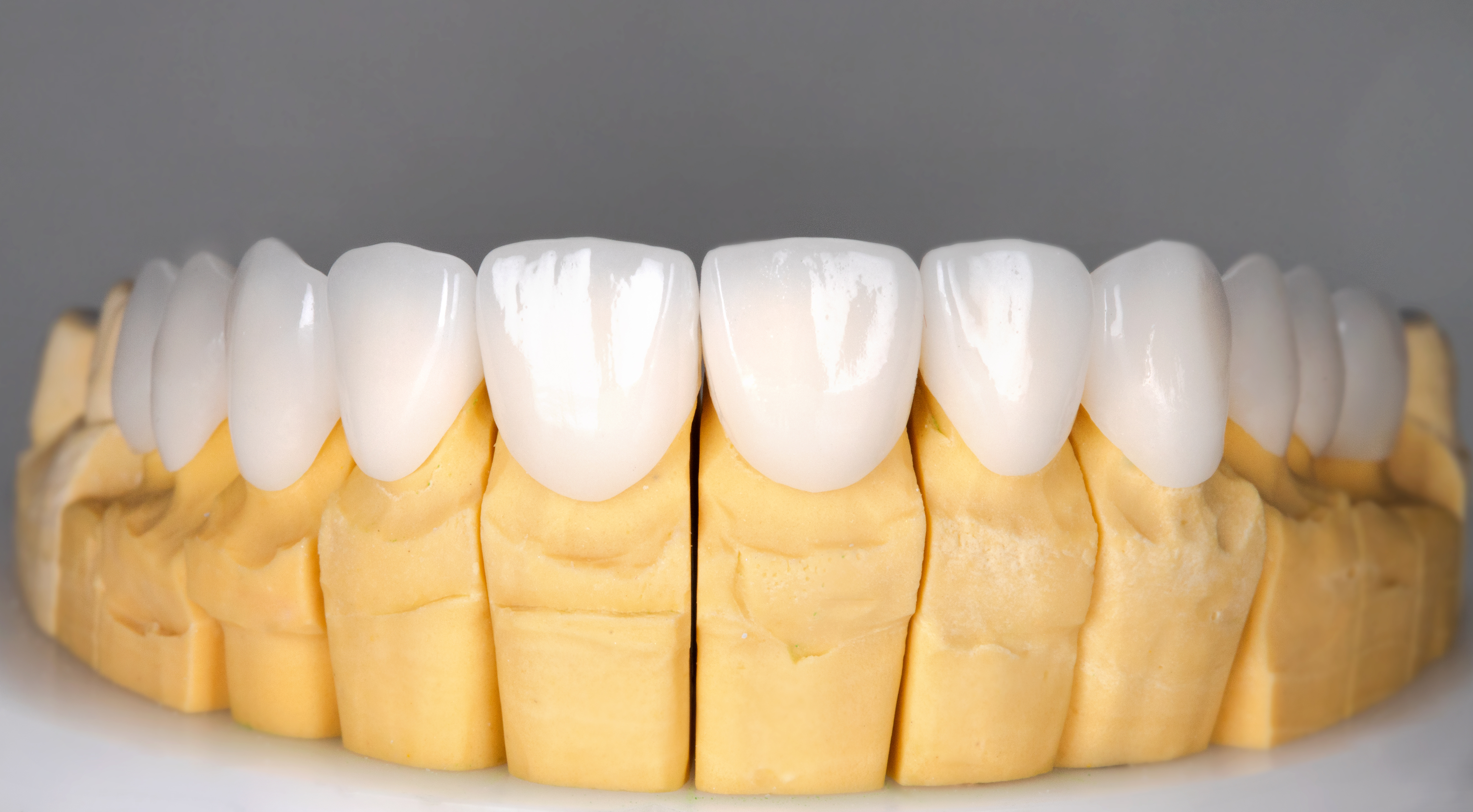
Any dentist can order veneers from a lab. The difference is in the design that guides the lab, the preparation that sets the foundation, the evaluation that determines what’s achievable, and the adjustments that make the result look natural rather than “done.”
Smile design requires the ability to juggle multiple variables simultaneously: esthetic ideals, anatomical limitations, functional demands, material properties, and patient expectations. It requires the confidence to set honest expectations before treatment begins and the skill to deliver on them. It requires knowing when the golden proportion should guide the design and when the patient’s biology demands a compromise.
Dr. Kriston has been designing smiles since 1987. He’s seen what works and what doesn’t across thousands of cases. He’s learned that the most beautiful smiles aren’t the most aggressive designs — they’re the ones that balance ambition with biology, beauty with function, and the patient’s dream with what their unique mouth can deliver.
That experience is the reason his patients end up with smiles that look like they were born with them.

.svg)
By far the best dentist I’ve had! Extremely thoughtful in his work, taking time to explain the reasoning behind decisions and will even show you the details of what is going on with your teeth through a micro camera. I had a few significant issues with my teeth, and Michael was the first of four dentists I had seen to provide a thoughtful long term solution in the least invasive way possible. He is truly concerned with the health and function of your teeth and gums, and is extremely skilled to implement great solutions. Would highly recommend.
I had my first visit with Dr. Kriston and had the best experience in a dental office, by far. I was looking for a dentist to revamp my smile and a friend recommended Dr. Kriston. Dr. Kriston spent a lot of time listening to my vision and together we came up with a plan for my smile that I'm very happy with. Everyone in the office was friendly, helpful and welcoming. My bar was set high and Dr. Kriston went well above it with his knowledge, recommendations and real understanding of my situation.

The office is beautiful, modern and spotless. They have relaxing music playing throughout that right away made me feel calm. The front receptionist is very attentive and supportive; she answered all my questions and clearly explained the cost and my insurance. I qualified for an interest free payment plan and was able to afford my dream smile.

I just had to write this review because I'm so happy I found Dr. Kriston. I've been self conscious about my teeth for years and I just couldn't find a dentist I felt this good about. I highly recommend Dr. Kriston.
Clean, professional, and easy to use. Velora gave my agency the polished online presence it needed."
Clean, professional, and easy to use. Velora gave my agency the polished online presence it needed."
Clean, professional, and easy to use. Velora gave my agency the polished online presence it needed."
Clean, professional, and easy to use. Velora gave my agency the polished online presence it needed."
By far the best dentist I’ve had! Extremely thoughtful in his work, taking time to explain the reasoning behind decisions and will even show you the details of what is going on with your teeth through a micro camera. I had a few significant issues with my teeth, and Michael was the first of four dentists I had seen to provide a thoughtful long term solution in the least invasive way possible. He is truly concerned with the health and function of your teeth and gums, and is extremely skilled to implement great solutions. Would highly recommend.
I had my first visit with Dr. Kriston and had the best experience in a dental office, by far. I was looking for a dentist to revamp my smile and a friend recommended Dr. Kriston. Dr. Kriston spent a lot of time listening to my vision and together we came up with a plan for my smile that I'm very happy with. Everyone in the office was friendly, helpful and welcoming. My bar was set high and Dr. Kriston went well above it with his knowledge, recommendations and real understanding of my situation.
The office is beautiful, modern and spotless. They have relaxing music playing throughout that right away made me feel calm. The front receptionist is very attentive and supportive; she answered all my questions and clearly explained the cost and my insurance. I qualified for an interest free payment plan and was able to afford my dream smile.
I just had to write this review because I'm so happy I found Dr. Kriston. I've been self conscious about my teeth for years and I just couldn't find a dentist I felt this good about. I highly recommend Dr. Kriston.
By far the best dentist I’ve had! Extremely thoughtful in his work, taking time to explain the reasoning behind decisions and will even show you the details of what is going on with your teeth through a micro camera. I had a few significant issues with my teeth, and Michael was the first of four dentists I had seen to provide a thoughtful long term solution in the least invasive way possible. He is truly concerned with the health and function of your teeth and gums, and is extremely skilled to implement great solutions. Would highly recommend.
I had my first visit with Dr. Kriston and had the best experience in a dental office, by far. I was looking for a dentist to revamp my smile and a friend recommended Dr. Kriston. Dr. Kriston spent a lot of time listening to my vision and together we came up with a plan for my smile that I'm very happy with. Everyone in the office was friendly, helpful and welcoming. My bar was set high and Dr. Kriston went well above it with his knowledge, recommendations and real understanding of my situation.
The office is beautiful, modern and spotless. They have relaxing music playing throughout that right away made me feel calm. The front receptionist is very attentive and supportive; she answered all my questions and clearly explained the cost and my insurance. I qualified for an interest free payment plan and was able to afford my dream smile.
I just had to write this review because I'm so happy I found Dr. Kriston. I've been self conscious about my teeth for years and I just couldn't find a dentist I felt this good about. I highly recommend Dr. Kriston.
By far the best dentist I’ve had! Extremely thoughtful in his work, taking time to explain the reasoning behind decisions and will even show you the details of what is going on with your teeth through a micro camera. I had a few significant issues with my teeth, and Michael was the first of four dentists I had seen to provide a thoughtful long term solution in the least invasive way possible. He is truly concerned with the health and function of your teeth and gums, and is extremely skilled to implement great solutions. Would highly recommend.
I had my first visit with Dr. Kriston and had the best experience in a dental office, by far. I was looking for a dentist to revamp my smile and a friend recommended Dr. Kriston. Dr. Kriston spent a lot of time listening to my vision and together we came up with a plan for my smile that I'm very happy with. Everyone in the office was friendly, helpful and welcoming. My bar was set high and Dr. Kriston went well above it with his knowledge, recommendations and real understanding of my situation.
The office is beautiful, modern and spotless. They have relaxing music playing throughout that right away made me feel calm. The front receptionist is very attentive and supportive; she answered all my questions and clearly explained the cost and my insurance. I qualified for an interest free payment plan and was able to afford my dream smile.
I just had to write this review because I'm so happy I found Dr. Kriston. I've been self conscious about my teeth for years and I just couldn't find a dentist I felt this good about. I highly recommend Dr. Kriston.
.jpeg)