
.jpeg)
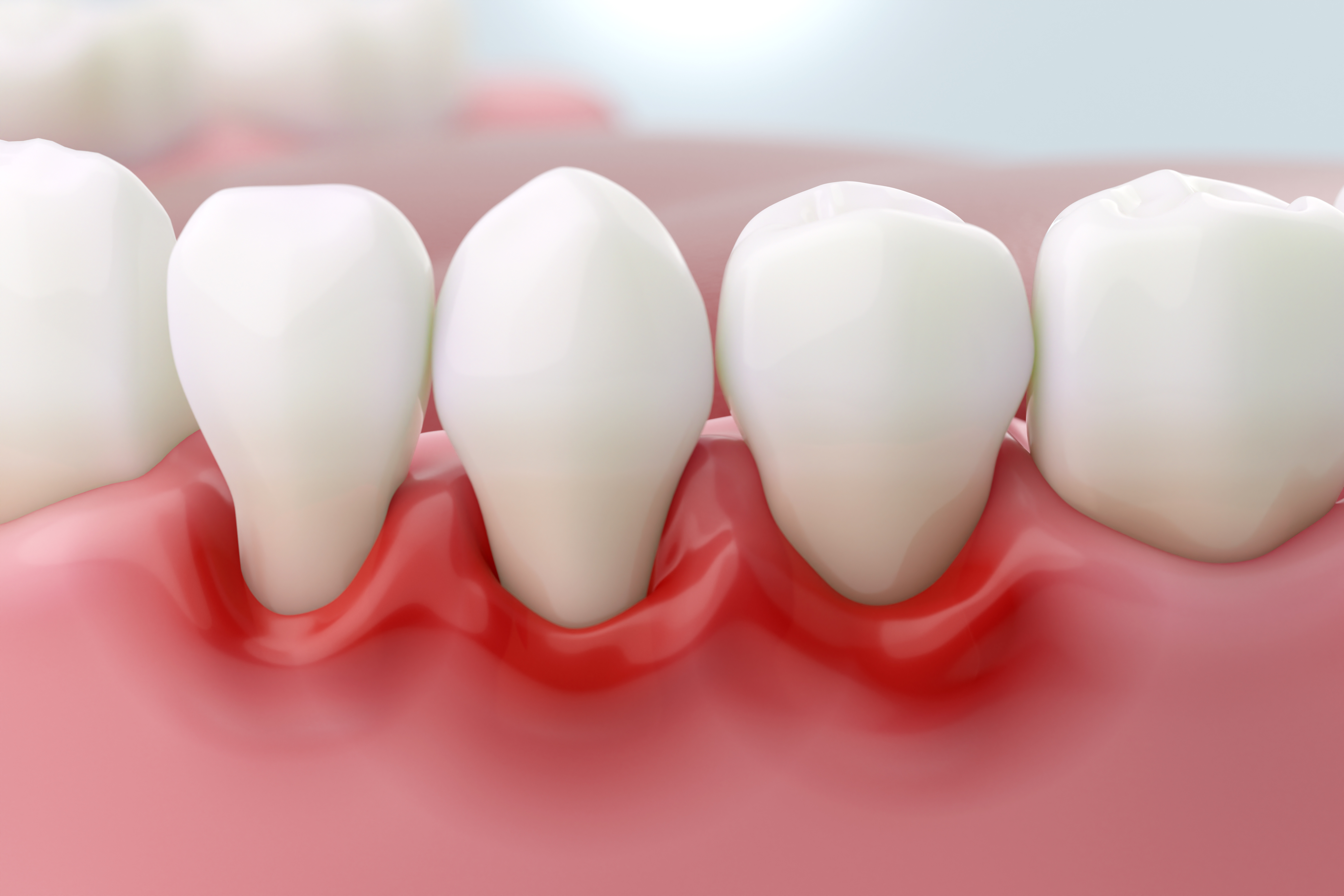
Gum disease — periodontal disease — is a bacterial infection of the tissues that surround and support your teeth. It begins when plaque (a sticky film of bacteria) accumulates along and below the gum line. If plaque isn’t removed through daily brushing and flossing, it hardens into tartar (calculus), which can only be removed by a dental professional.
Dr. Kriston uses a powerful analogy to help patients understand what’s happening: the connection between the teeth and the gums and bone is like a zipper. In a healthy mouth, the zipper is fully closed — the gum tissue is tightly sealed around each tooth, protecting the bone beneath. The first signs the zipper is beginning to unzip are redness, swelling, and bleeding. That’s gingivitis — the earliest stage of gum disease.
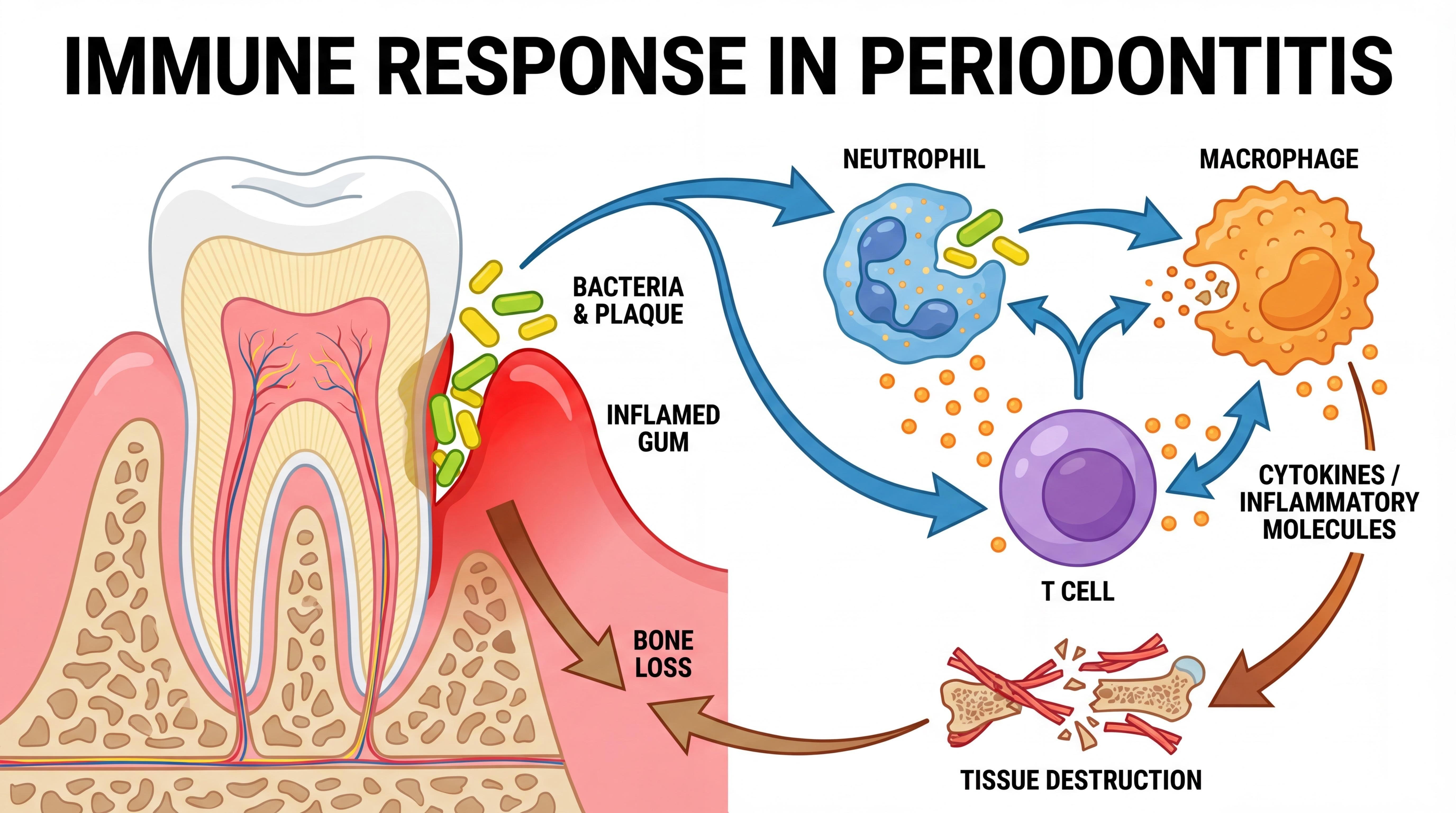
If gingivitis is left untreated, the zipper continues to open. The bacterial toxins that cause the inflammation don’t just damage the gum tissue — they seep down into the bone and destroy the connective tissue attachment and the bone itself. Pockets form between the teeth and gums. The deeper the pockets grow, the more bacteria colonize them, and the harder they become to clean. This is periodontitis — advanced gum disease that can lead to tooth loss.
Gum disease is chronic, meaning it’s managed, not cured. Once the zipper has been opened, maintaining it in a stable, controlled state requires ongoing professional care and diligent home hygiene. But with the right treatment and maintenance, gum disease can be stopped and the damage can be prevented from progressing further.
Frequently, yes. Tooth loss from periodontal disease is often — though not always — hereditary. Dr. Kriston asks patients whether their parents or grandparents lost teeth to gum disease or wore dentures. A family history of periodontal problems is a strong indicator that a patient may be more susceptible, which influences how aggressively the disease needs to be managed.

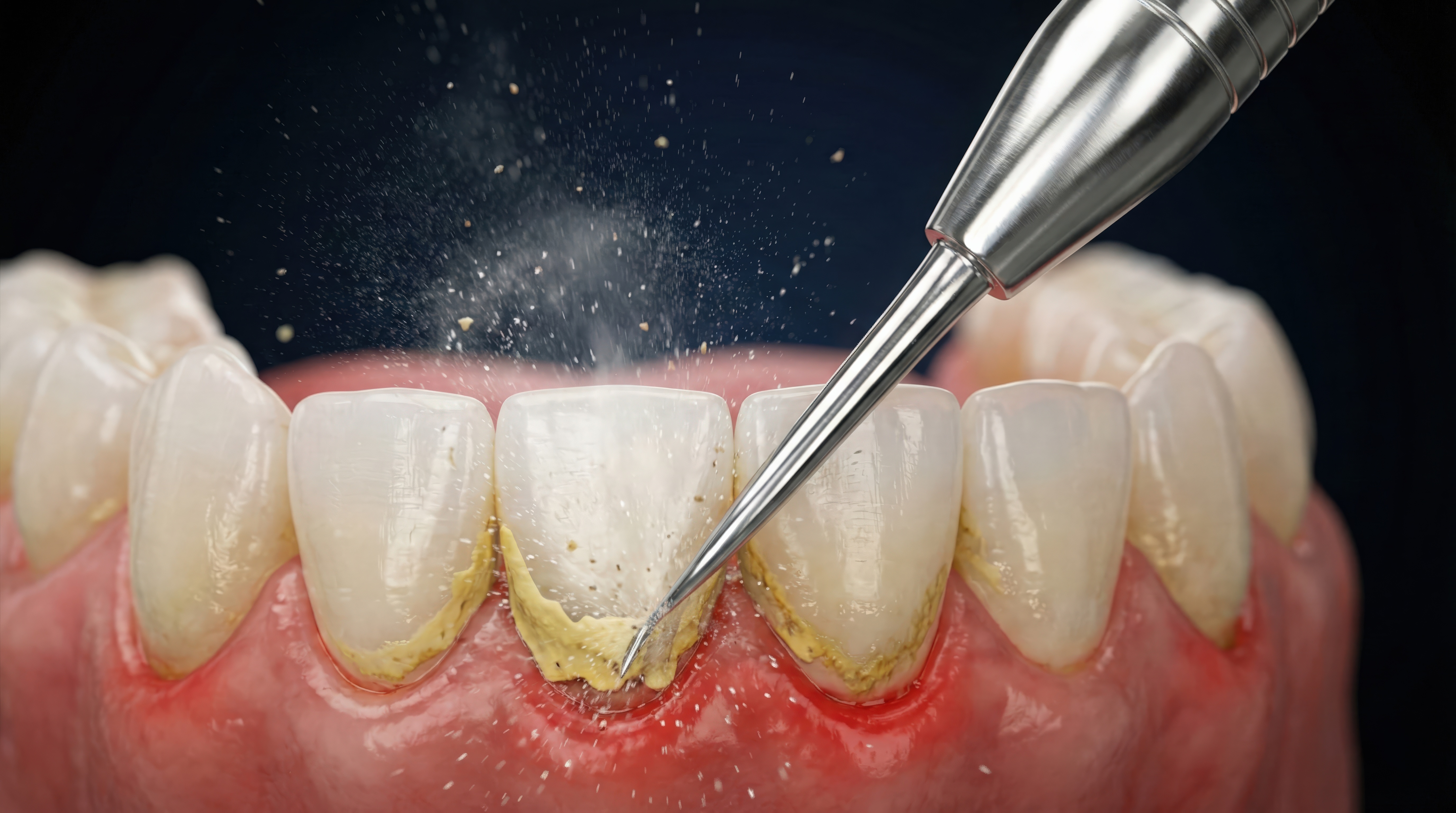
Scaling and root planing (SRP) is the foundation of non-surgical periodontal therapy. It’s a thorough cleaning that goes deeper than a standard prophylaxis (regular cleaning), targeting the bacteria, plaque, and tartar that have accumulated below the gum line and in the periodontal pockets.
Scaling removes the tartar and bacterial deposits from the tooth surfaces and from within the pockets. Dr. Kriston uses a combination of hand instruments for precise removal in detailed areas and ultrasonic instruments for efficient removal of heavier deposits.
Root planing smooths the root surfaces after scaling, removing embedded bacterial toxins and creating a clean surface that the gum tissue can reattach to as it heals. A smooth root surface is harder for bacteria to colonize than a rough one, which helps prevent reinfection.
SRP is typically done in two visits (one side of the mouth per visit) using local anesthetic to ensure complete comfort. For patients who prefer an even more relaxed experience, oral conscious sedation is available.
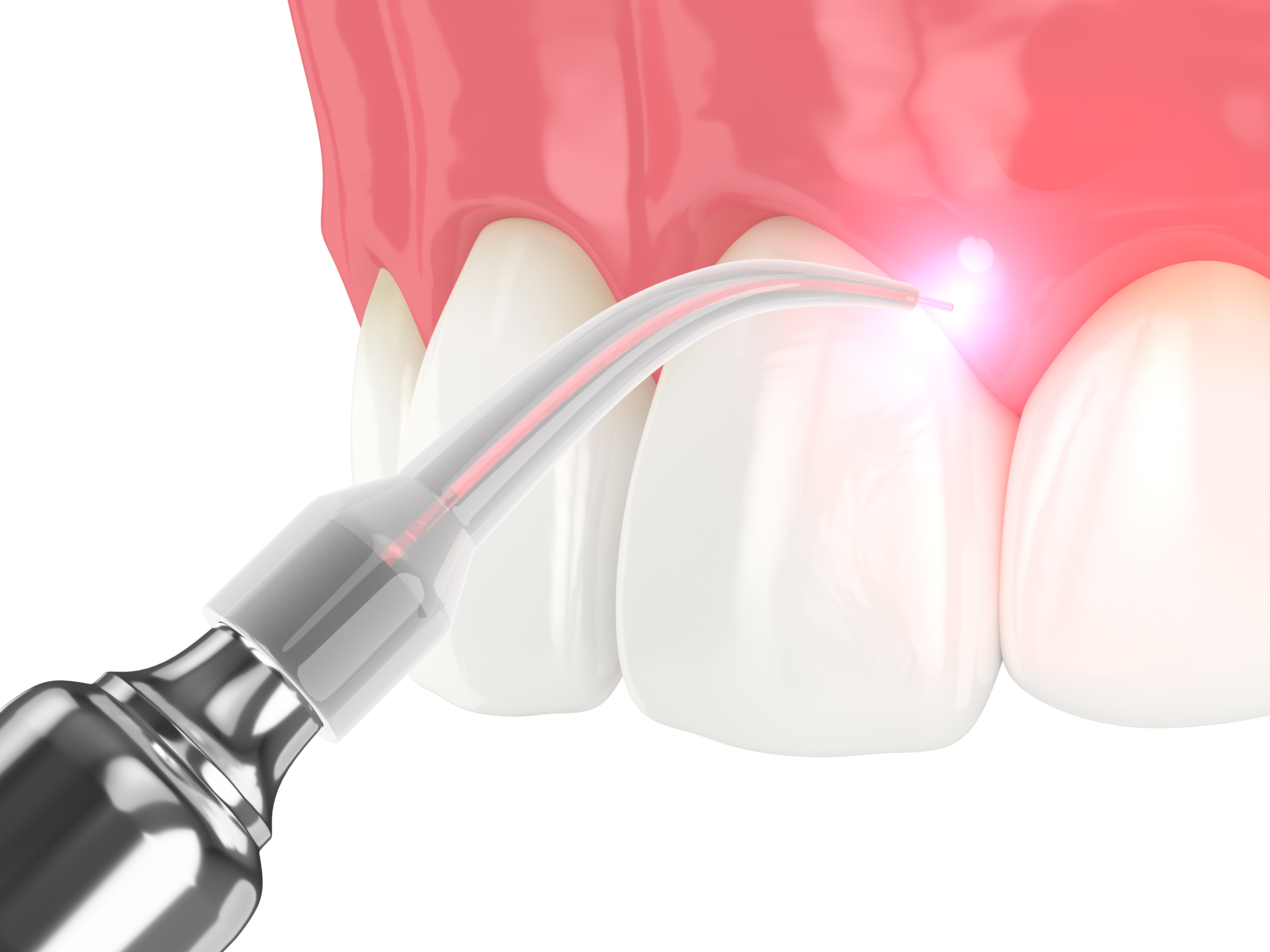
Following scaling and root planing, Dr. Kriston uses our ADT Diolase ST diode laser to enhance the treatment in two ways:
Laser bacterial reduction. The laser energy penetrates into the periodontal pockets, killing bacteria that hand and ultrasonic instruments can’t reach. This dramatically reduces the bacterial load in the pockets and creates a more favorable environment for healing.
Laser-assisted curettage. The laser gently removes diseased tissue lining the pocket walls, stimulating the formation of new, healthy tissue. The laser’s high degree of sterile contact reduces infection risk, and its cauterizing effect minimizes bleeding and promotes faster healing.
The combination of manual scaling, ultrasonic cleaning, and laser therapy provides the most thorough non-surgical periodontal treatment available — addressing the disease from multiple angles in one coordinated approach.
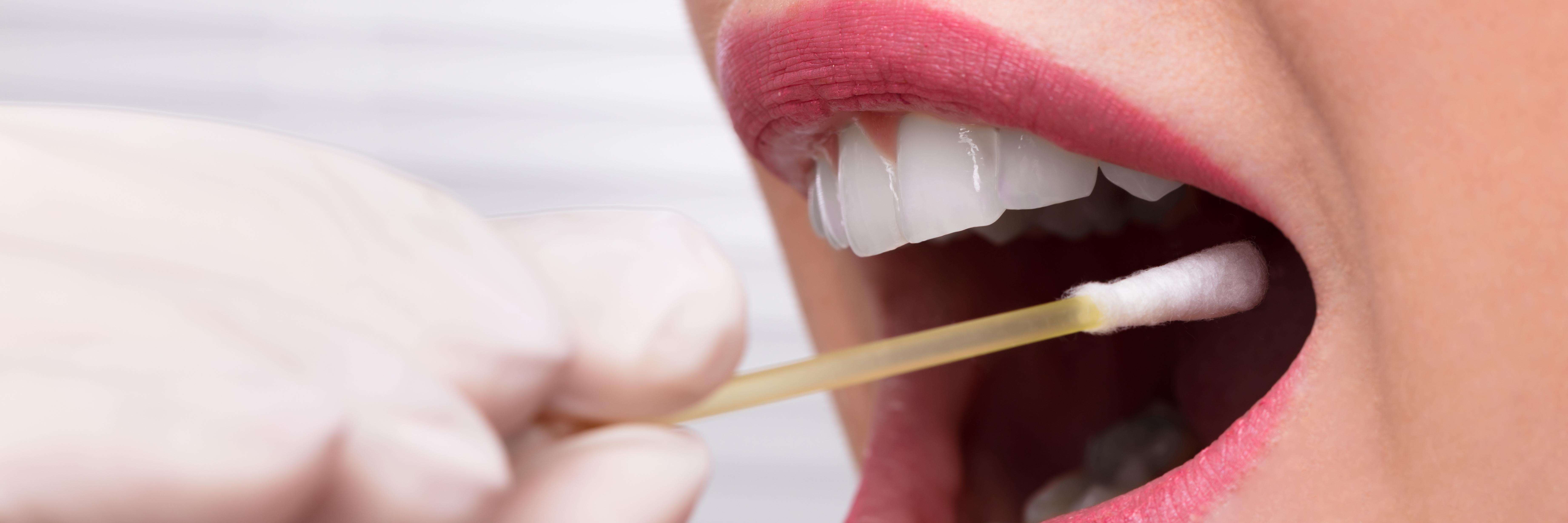
When localized antibiotic treatment is indicated — for pockets that aren’t responding adequately to scaling and root planing alone — Dr. Kriston takes an approach that most practices don’t: he tests the bacteria first.
Using a bacterial DNA test, Dr. Kriston identifies the specific species of bacteria causing the infection. This matters because not all periodontal bacteria respond to the same antibiotics. Arestin (minocycline), the most commonly used local antibiotic in periodontal treatment, is effective against certain bacteria but not all. Some species are resistant to minocycline, and using it indiscriminately can actually make the problem worse — killing the susceptible bacteria while allowing resistant populations to grow unchecked.
By identifying the bacterial species through DNA testing, Dr. Kriston knows whether Arestin or an alternative antibiotic will be effective before placing it. This targeted approach is more effective than guessing and avoids the unintended consequence of promoting antibiotic-resistant bacteria in the mouth.
Professional treatment addresses the active disease. But the daily battle against plaque happens at home, and Dr. Kriston’s philosophy is clear: physical debridement of the teeth — mechanically removing plaque and debris — is the most effective long-term strategy.
We don’t hand you a pamphlet and send you home. We create a tailored home hygiene plan for your specific mouth and teach you the techniques to execute it:
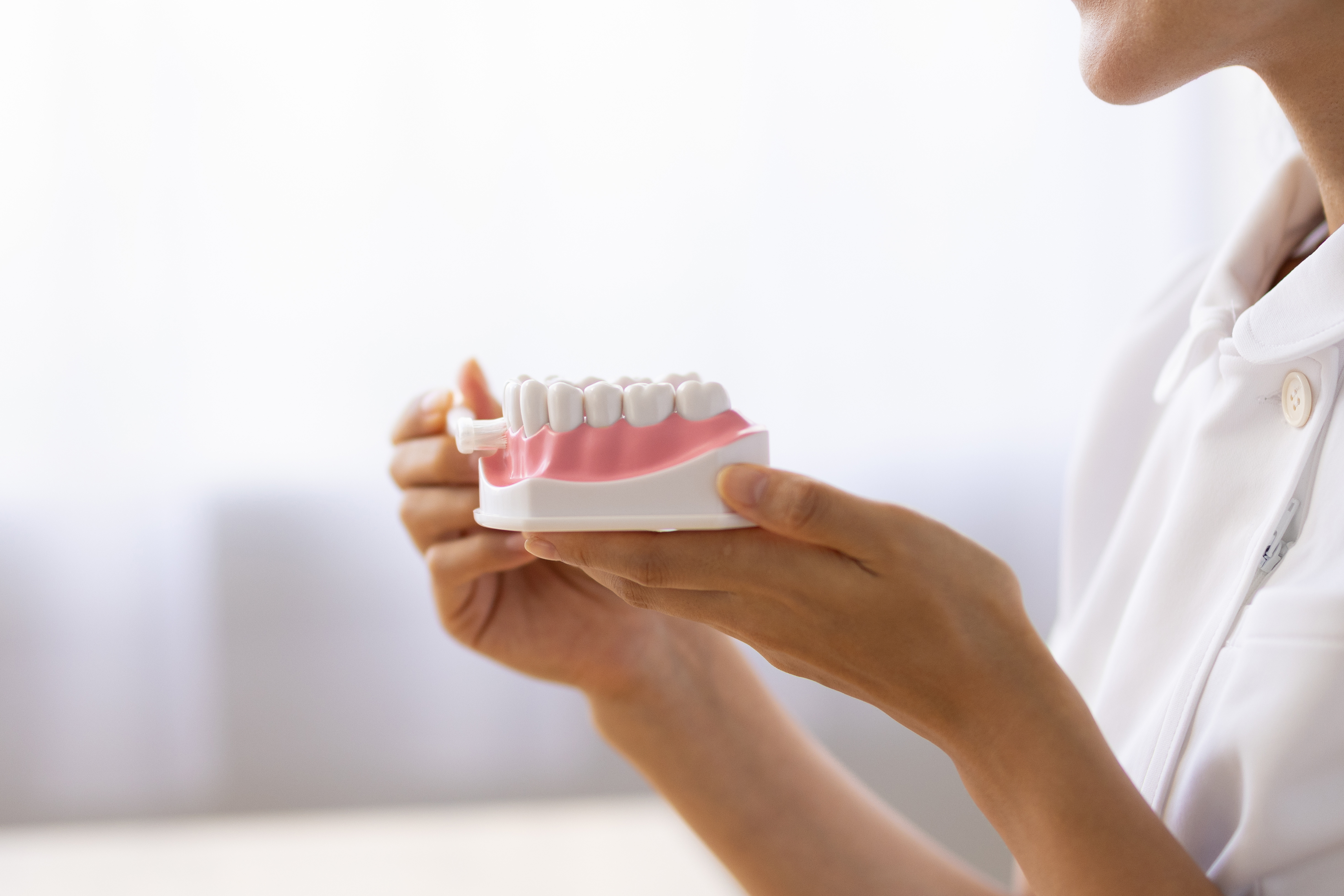
We are strong proponents of ultrasonic toothbrush technology. The Sonicare delivers thousands of micro-vibrations per minute that break up plaque more effectively than manual brushing. We provide Sonicare replacement heads at every cleaning and periodontal maintenance visit to encourage continued use. If you aren’t already using a Sonicare, we’ll get you started.
Oral Irrigation — WaterPik
Dr. Kriston is a strong proponent of oral irrigation. A WaterPik directs a pulsating stream of water that can flush out bacteria, food debris, and loose plaque from places a toothbrush and floss simply can’t reach — particularly deep in the gingival pocket around each tooth. For patients with periodontal pockets, oral irrigation is one of the most effective home tools available.
Every mouth is different. Some patients have deeper pockets in specific areas. Some have crowded teeth where bacteria accumulate more easily. Some have recession that creates unique cleaning challenges. Dr. Kriston and his hygiene team identify the problem areas in your mouth and show you specific techniques with specific tools to address them.
This isn’t a one-size-fits-all hygiene lecture. It’s a personalized plan that’s reviewed and adjusted at every maintenance visit based on what we see.
.jpeg)
Some practices use hydrogen peroxide delivered in custom trays (such as Perio Protect) as a primary home care strategy. Dr. Kriston takes a different view. While short-term use of hydrogen peroxide can be a helpful adjunct, long-term use — particularly when concentrated under a tray against the tissue — can cause inflammation and chemical burning of the gingival tissue, including sloughing (loss of the surface tissue layer).
Physical debridement — brushing, flossing, irrigating — is more effective and safer for long-term daily use. When additional chemical support is needed, Dr. Kriston may create a custom tray for short-term fluoride application, which not only kills bacteria but strengthens the tooth surfaces. This is particularly valuable for patients with rampant cavities or severe root sensitivity.
Six weeks after scaling and root planing, Dr. Kriston sees you for a reassessment visit. This appointment includes a scale and polish, but equally important is reviewing your home hygiene techniques, troubleshooting any difficulties you’re having, and evaluating how the gums have responded to treatment.
Based on what we see at this assessment — how much plaque and tartar have accumulated, the depth of the remaining pockets, the overall tissue health — Dr. Kriston sets your periodontal maintenance schedule. For most patients, this is every 3 to 4 months.
The frequency is individualized. Everyone is different in terms of how quickly they build up plaque and tartar, the difficulty of their specific hygiene challenges (deeper pockets, crowded teeth, areas that are hard to reach), and how well they’ve mastered the techniques we’ve shown them. Patients who need more frequent care get it. As conditions improve, the interval may be extended.
Periodontal maintenance is not the same as a regular cleaning. It’s a therapeutic appointment designed specifically for patients with a history of gum disease, and it includes deeper evaluation and more focused instrumentation than a standard prophylaxis.
Periodontal bacteria have been found in arterial plaque. The chronic inflammation from gum disease is associated with increased risk of cardiovascular events.
Diabetes
The relationship is bidirectional — diabetes increases the risk of gum disease, and untreated gum disease makes blood sugar harder to control. Managing periodontal disease is an important part of managing diabetes.
Pregnancy complications
Periodontal disease has been linked to preterm birth and low birth weight. Maintaining gum health during pregnancy is more important than many patients realize.
Alzheimer’s disease and dementia
This is perhaps the most concerning connection in current research. A bacterium responsible for gum disease — Porphyromonas gingivalis — has been found in the brains of Alzheimer’s patients, where it releases toxic enzymes that increase neuroinflammation and amyloid plaque buildup. The link between periodontal disease and cognitive decline is one of the strongest arguments for taking gum disease seriously, especially in patients over 45.
.jpeg)
Dr. Kriston treats the majority of periodontal cases in his office. However, certain situations benefit from specialist involvement:
Dr. Kriston treats the majority of periodontal cases in his office. However, certain situations benefit from specialist involvement:
Gum grafting
When there is a loss of the attached gingival band around teeth — the firm tissue that protects the root — a periodontist can perform a graft to restore it. This is rarely needed for dental health reasons alone, but when indicated, it’s a specialist procedure.
Pocket reduction surgery
While Dr. Kriston is capable of performing these procedures, he typically refers them to a periodontist because of the cosmetic trade-offs involved — the surgery literally lengthens the visible teeth and opens spaces between them. In many cases, Dr. Kriston believes a better long-term strategy is extracting a tooth with a vertical periodontal defect and using the surrounding bone for grafting and future implant placement, rather than cutting away bone and tissue to try to save it.
Refractory or rapidly progressive disease
When periodontal disease doesn’t respond to non-surgical therapy, or when it’s progressing rapidly despite treatment, Dr. Kriston refers to a periodontist for specialist evaluation. These situations often end in tooth loss, and having the periodontist involved early helps conserve as much bone as possible for future reconstruction.
Knowing what we know now about bone grafting and implant placement, the way we assess periodontal prognosis has changed. Preserving bone for future implants is sometimes a wiser long-term strategy than aggressive surgery to save a tooth with a poor prognosis.

When a patient has no idea what gum disease is, Dr. Kriston makes sure to give them the entire picture — clearly, honestly, and without alarming them unnecessarily. He explains the chronic nature of the disease, the zipper analogy, and what the stages look like. He uses the intraoral camera to show patients what he’s seeing in their own mouth — usually he can find areas that are worse than others so the patient can see the difference between healthy tissue and diseased tissue for themselves.
He explains that the same toxins destroying connective tissue and bone in the mouth are entering the bloodstream and affecting overall health. He asks about family history. And he creates a plan that addresses the disease from both sides — professional treatment in the office and personalized home care between visits.
No patient leaves without understanding their condition, their treatment options, and exactly what they can do at home to help.

.svg)
By far the best dentist I’ve had! Extremely thoughtful in his work, taking time to explain the reasoning behind decisions and will even show you the details of what is going on with your teeth through a micro camera. I had a few significant issues with my teeth, and Michael was the first of four dentists I had seen to provide a thoughtful long term solution in the least invasive way possible. He is truly concerned with the health and function of your teeth and gums, and is extremely skilled to implement great solutions. Would highly recommend.

I had my first visit with Dr. Kriston and had the best experience in a dental office, by far. I was looking for a dentist to revamp my smile and a friend recommended Dr. Kriston. Dr. Kriston spent a lot of time listening to my vision and together we came up with a plan for my smile that I'm very happy with. Everyone in the office was friendly, helpful and welcoming. My bar was set high and Dr. Kriston went well above it with his knowledge, recommendations and real understanding of my situation.

The office is beautiful, modern and spotless. They have relaxing music playing throughout that right away made me feel calm. The front receptionist is very attentive and supportive; she answered all my questions and clearly explained the cost and my insurance. I qualified for an interest free payment plan and was able to afford my dream smile.

I just had to write this review because I'm so happy I found Dr. Kriston. I've been self conscious about my teeth for years and I just couldn't find a dentist I felt this good about. I highly recommend Dr. Kriston.
Clean, professional, and easy to use. Velora gave my agency the polished online presence it needed."
Clean, professional, and easy to use. Velora gave my agency the polished online presence it needed."
Clean, professional, and easy to use. Velora gave my agency the polished online presence it needed."
Clean, professional, and easy to use. Velora gave my agency the polished online presence it needed."
By far the best dentist I’ve had! Extremely thoughtful in his work, taking time to explain the reasoning behind decisions and will even show you the details of what is going on with your teeth through a micro camera. I had a few significant issues with my teeth, and Michael was the first of four dentists I had seen to provide a thoughtful long term solution in the least invasive way possible. He is truly concerned with the health and function of your teeth and gums, and is extremely skilled to implement great solutions. Would highly recommend.
I had my first visit with Dr. Kriston and had the best experience in a dental office, by far. I was looking for a dentist to revamp my smile and a friend recommended Dr. Kriston. Dr. Kriston spent a lot of time listening to my vision and together we came up with a plan for my smile that I'm very happy with. Everyone in the office was friendly, helpful and welcoming. My bar was set high and Dr. Kriston went well above it with his knowledge, recommendations and real understanding of my situation.
The office is beautiful, modern and spotless. They have relaxing music playing throughout that right away made me feel calm. The front receptionist is very attentive and supportive; she answered all my questions and clearly explained the cost and my insurance. I qualified for an interest free payment plan and was able to afford my dream smile.
I just had to write this review because I'm so happy I found Dr. Kriston. I've been self conscious about my teeth for years and I just couldn't find a dentist I felt this good about. I highly recommend Dr. Kriston.
By far the best dentist I’ve had! Extremely thoughtful in his work, taking time to explain the reasoning behind decisions and will even show you the details of what is going on with your teeth through a micro camera. I had a few significant issues with my teeth, and Michael was the first of four dentists I had seen to provide a thoughtful long term solution in the least invasive way possible. He is truly concerned with the health and function of your teeth and gums, and is extremely skilled to implement great solutions. Would highly recommend.
I had my first visit with Dr. Kriston and had the best experience in a dental office, by far. I was looking for a dentist to revamp my smile and a friend recommended Dr. Kriston. Dr. Kriston spent a lot of time listening to my vision and together we came up with a plan for my smile that I'm very happy with. Everyone in the office was friendly, helpful and welcoming. My bar was set high and Dr. Kriston went well above it with his knowledge, recommendations and real understanding of my situation.
The office is beautiful, modern and spotless. They have relaxing music playing throughout that right away made me feel calm. The front receptionist is very attentive and supportive; she answered all my questions and clearly explained the cost and my insurance. I qualified for an interest free payment plan and was able to afford my dream smile.
I just had to write this review because I'm so happy I found Dr. Kriston. I've been self conscious about my teeth for years and I just couldn't find a dentist I felt this good about. I highly recommend Dr. Kriston.
By far the best dentist I’ve had! Extremely thoughtful in his work, taking time to explain the reasoning behind decisions and will even show you the details of what is going on with your teeth through a micro camera. I had a few significant issues with my teeth, and Michael was the first of four dentists I had seen to provide a thoughtful long term solution in the least invasive way possible. He is truly concerned with the health and function of your teeth and gums, and is extremely skilled to implement great solutions. Would highly recommend.
I had my first visit with Dr. Kriston and had the best experience in a dental office, by far. I was looking for a dentist to revamp my smile and a friend recommended Dr. Kriston. Dr. Kriston spent a lot of time listening to my vision and together we came up with a plan for my smile that I'm very happy with. Everyone in the office was friendly, helpful and welcoming. My bar was set high and Dr. Kriston went well above it with his knowledge, recommendations and real understanding of my situation.
The office is beautiful, modern and spotless. They have relaxing music playing throughout that right away made me feel calm. The front receptionist is very attentive and supportive; she answered all my questions and clearly explained the cost and my insurance. I qualified for an interest free payment plan and was able to afford my dream smile.
I just had to write this review because I'm so happy I found Dr. Kriston. I've been self conscious about my teeth for years and I just couldn't find a dentist I felt this good about. I highly recommend Dr. Kriston.
.jpeg)

.jpeg)